
Synthetic biology (SynBio), an interdisciplinary field merging biology, engineering, and data science, is rapidly transitioning from academic research to a powerful industrial platform, poised to revolutionize manufacturing across diverse sectors [4], [9], [19], [21]. By applying engineering principles to biological systems, SynBio enables the design, construction, and redesign of biological entities—such as genes, cells, and organisms—to perform novel or enhanced functions [1], [9], [15], [21]. This approach allows for the programming of biology with computational logic, effectively engineering cells into “living factories” capable of producing a vast array of products [4], [13], [21]. The potential of synthetic biology to disrupt various industries is immense, offering solutions for health, food, and manufacturing [10], [19], [22].
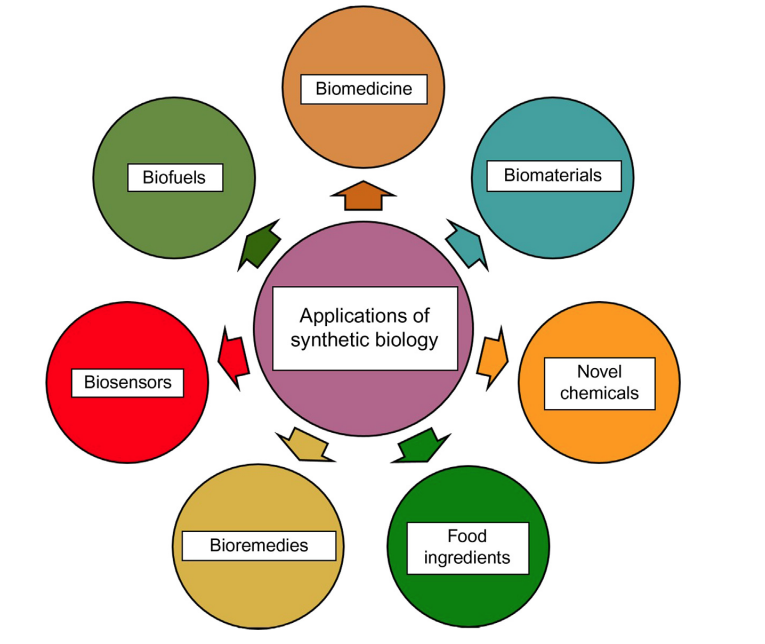
Figure 1. Overview of Synthetic Biology [Image courtesy of CD Biosynsis].
Core Principles and Enabling Technologies
At its heart, synthetic biology operates on a Design–Build–Test–Learn (DBTL) framework [13]. This iterative process involves:
- Design: Utilizing mathematical models and computational tools to plan genetic modifications and metabolic pathways [7], [13].
- Build: Employing technologies like DNA synthesis and assembly to construct genetic circuits and insert them into host organisms [7], [13]. Key tools include genome editing technologies like CRISPR-Cas, which allow for precise modification of DNA for high-productivity strains [8], [13], [28]. The ability to read, write, edit, and evolve biological systems with greater precision and ease is fundamental to this process [19], [28].
- Test: Analyzing the engineered organisms’ performance, such as compound production and cell fitness [7].
- Learn: Feeding experimental data back into models to optimize the engineering cycle, accelerating innovation and improving yield and efficiency [7], [13].
Automated biofoundries, equipped with robotics and AI, are crucial for scaling this process, enabling high-throughput strain optimization and rapid iteration of metabolic variants to achieve commercial productivity thresholds [13], [14]. Cell-free systems also offer controlled biosynthesis outside living cells [13]. These advancements create a foundation for smart, sustainable biofactories capable of producing chemicals, materials, and biologics at industrial scale [13].
Diverse Industrial Applications
The transformative potential of synthetic biology extends across numerous industries, moving beyond traditional biotechnology to reshape how medicines, materials, and sustainable products are designed and produced [4], [19], [22]. Biology, considered the most powerful technology on the planet, can be programmed to manufacture nearly everything currently made with petrochemicals, but in more sustainable ways [19], [28].
Chemicals and Materials
Synthetic biology offers a cleaner upgrade from traditional industrial chemistry, which relies on fossil carbon, toxic solvents, and high-heat reactors [14]. Engineered cells operate at ambient temperatures and pressures, converting renewable feedstocks or waste gases into commodity chemicals and high-performance materials [14]. This includes producing biodegradable plastics like PHA and PLA, bio-based polymers (polylactic acid, bio-PET), and specialty chemicals that are otherwise difficult or costly to synthesize [4], [6], [9], [13]. Companies like Spiber are growing spider silk via precision-engineered microbes, while Geltor creates advanced proteins for the beauty market, such as human collagen, eliminating the need for animal harvesting [22].
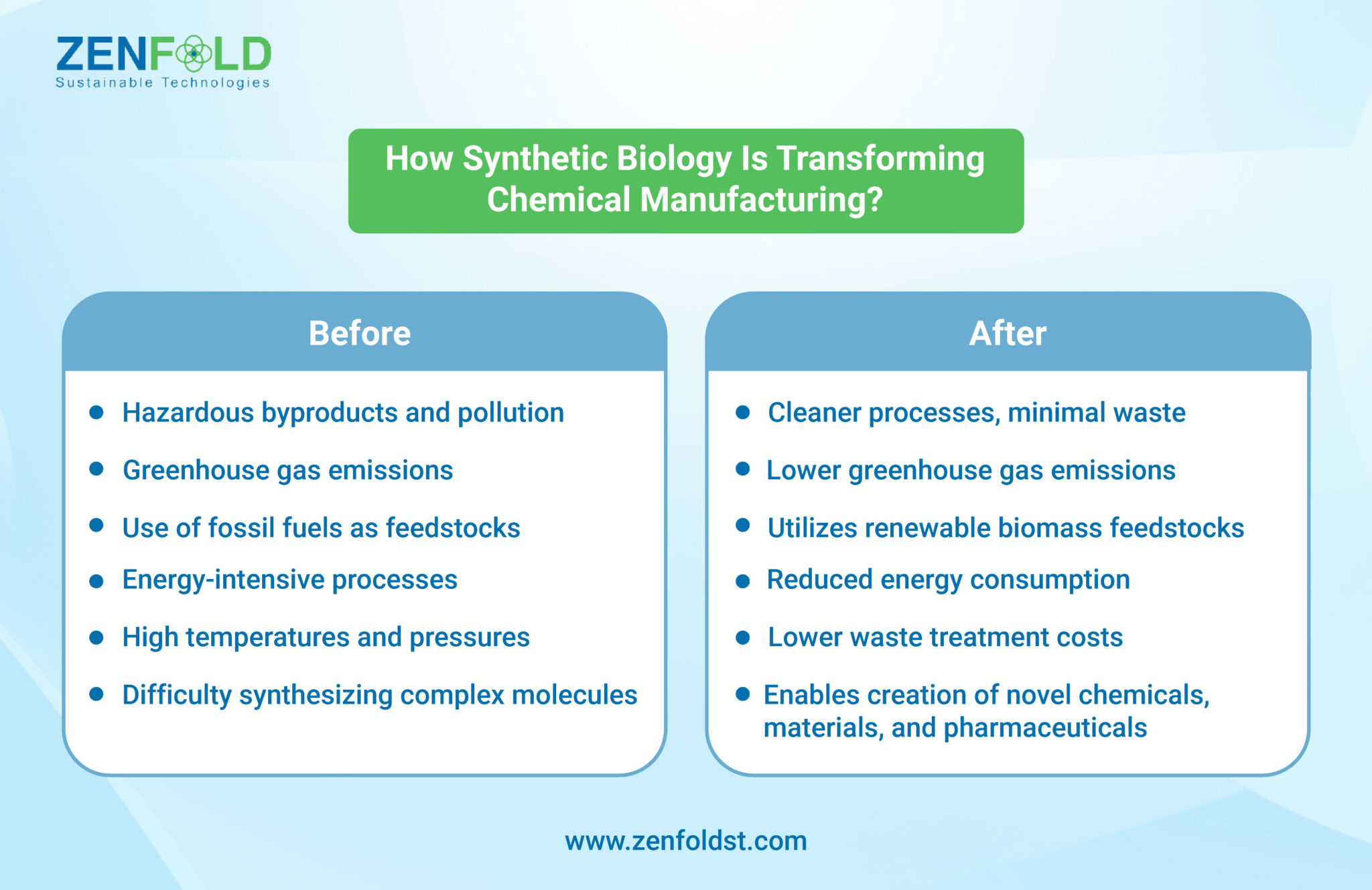
Figure 2. Synthetic Biology for Sustainable Chemical Manufacturing [Image courtesy of Zenfold Sustainable Technologies].
Pharmaceuticals and Healthcare
Synthetic biology has been instrumental in biomanufacturing drugs such as insulin and more complex medicines like Artemisinin, by engineering yeast and bacteria [6], [23]. It enables precision manufacturing of biologics (antibodies, enzymes, hormones), components for advanced therapies (viral vectors for cell/gene therapies), and vaccines [4], [13]. The field is also pioneering novel drug modalities, including engineered probiotics for targeted drug delivery and microbiome-based therapeutics, and has potential in personalized medicine and the development of synthetic tissues and organoids [4], [6], [9]. Furthermore, synthetic biology processes are crucial for producing antigen and diagnostic reagents, accelerating vaccine development, and improving vaccine performance and yield, as demonstrated during the COVID-19 pandemic [26]. Researchers are also developing engineered novel proteins, such as therapeutic enzymes with modified structures, for targeted treatments like Phenylketonuria (PKU) [26].
Carbon Recycling and Energy
A major goal of SynBio is to develop biology-based methods that replace petroleum-based products and mitigate carbon emissions, promoting a circular carbon economy [2], [6], [12]. Companies are engineering algae and other microorganisms to produce biofuels (ethanol, butanol, jet fuel) from plant waste, industrial air pollution, or captured CO2 [6], [13], [14]. This includes technologies that convert industrial waste gases (e.g., steel-mill CO, agricultural waste) into high-value chemicals and fuels, effectively turning “trash into treasure” [6], [14].
Agriculture and Food
Synthetic biology supports the development of bio-based fertilizers and pest-resistant microbes, reducing reliance on petrochemicals and improving soil health [9], [13], [29]. Government initiatives, such as those by the USDA, are investing significantly in this area to increase domestic production of sustainable agricultural inputs [9]. Companies like Pivot Bio are engineering microorganisms that live in plant roots to fix nitrogen, reducing the need for energy-intensive synthetic fertilizers and cutting greenhouse gas emissions [29]. CRISPR gene-editing technology is also being used to create bioengineered foods with increased yields, enhanced nutrition, and greater resistance to drought and pests [29]. For the food and fragrance industries, engineered yeast strains are used to synthesize natural flavors, such as vanillin and nootkatone, offering sustainable production methods [13]. Furthermore, synthetic biology is enabling the creation of plant-based meat alternatives (e.g., Impossible Foods, Beyond Meat) and lab-grown meat (e.g., Finless Foods, Memphis Meats), addressing environmental concerns related to traditional livestock farming [22], [29]. Bio-designed probiotics for various consumer health benefits and new zero-calorie sweeteners are also emerging applications [22].
Fashion and Textiles
SynBio provides greener alternatives for fashion, addressing the industry’s environmental footprint. This involves developing bio-based fibers, dyes without hazardous waste, and lab-grown materials like leather and silk [6], [13], [14].
Benefits of Adoption
The widespread adoption of synthetic biology in manufacturing is driven by several compelling advantages:
- Sustainability: By utilizing renewable feedstocks, waste streams, and operating at lower temperatures and pressures, SynBio processes significantly reduce carbon footprints, conserve resources, and minimize reliance on fossil fuels and toxic chemicals [2], [9], [14], [28]. It aims to prevent up to 30 gigatonnes of carbon emissions [9]. These technologies are inherently designed for sustainability, replacing extractive industries that harm the planet [28].
- Economic Advantages: SynBio can lead to reduced production costs, shortened development timelines, and enhanced operational efficiencies [4], [9]. As carbon prices rise and consumer demand for sustainable products grows, bio-based outputs are becoming increasingly cost-competitive with traditional petro-chemistry [14].
- Supply Chain Resilience: Engineering biological systems to produce raw materials can reduce dependence on volatile global supply chains and petroleum-based manufacturing, enhancing national health preparedness and localization of production [4].
- Novel Products: SynBio enables the creation of entirely new biomaterials, therapeutic modalities, and chemical compounds that are difficult or impossible to produce using conventional methods [4], [9], [21].
Challenges and Considerations
Despite its immense promise, industrializing synthetic biology faces several significant hurdles:
- Scaling Challenges: Translating laboratory successes to robust, industrial-scale biomanufacturing is complex. Biological systems are inherently variable, and maintaining strain stability, process control, and consistent product purification at large volumes (up to 1,000,000 L compared to biopharma’s 2,000 L) is a major bottleneck [4], [16]. This requires substantial capital investment in infrastructure like bioreactors and downstream processing equipment [4].
- Biosafety and Biosecurity: The engineering of new organisms raises biosafety concerns regarding potential worker exposure to novel biological and chemical hazards, similar to those initially associated with recombinant DNA technology [1]. Risks include unintended release of engineered organisms, transfer of genetic material to natural ones, and potential misuse as bioterror agents [1], [14], [23]. Prevention-through-design principles, including intrinsic and extrinsic biocontainment, are critical, alongside enhanced health surveillance [1]. Public perception also presents a challenge, with some concerns about integrating inorganic materials or genetic editing across species without consent [25].
- Workforce Development: A well-prepared and highly skilled technical workforce is essential to realize the full potential of the bioeconomy [8], [14]. Equitable access to this technology and associated investments is also a concern, as current investment tends to cluster in wealthy regions [14].
- Regulatory Frameworks: Developing appropriate regulatory mechanisms and governance norms for rapidly advancing genetic design tools is crucial to ensure responsible innovation and mitigate risks [5], [14].
Economic Outlook and Future Trajectory
The global synthetic biology market is projected to reach $78.74 billion by 2031 [9], or grow from $14.09 billion in 2024 to $80.17 billion by 2033 with a compound annual growth rate (CAGR) of roughly 18.99% [26]. This reflects strong confidence in its industrial potential, fueled by significant private and public investments from governments worldwide recognizing SynBio’s role in addressing major challenges like climate change and health crises [9], [26]. Leading companies, including Ginkgo Bioworks, Amyris, LanzaTech, Novozymes, Zymergen, Genomatics, BASF, DuPont, DSM, Evonik, and Moderna, are at the forefront of this innovation ecosystem [13], [22]. As synthetic biology continues to mature, its integration into various industries will not only deliver transformative products but also redefine the economics and sustainability of manufacturing, marking it as a strategic necessity for future industrial leaders [4], [9]. The vision extends to reimagining industry not as centralized manufacturing, but as distributed systems that “biologize industry,” leveraging biology everywhere to create new solutions [28].
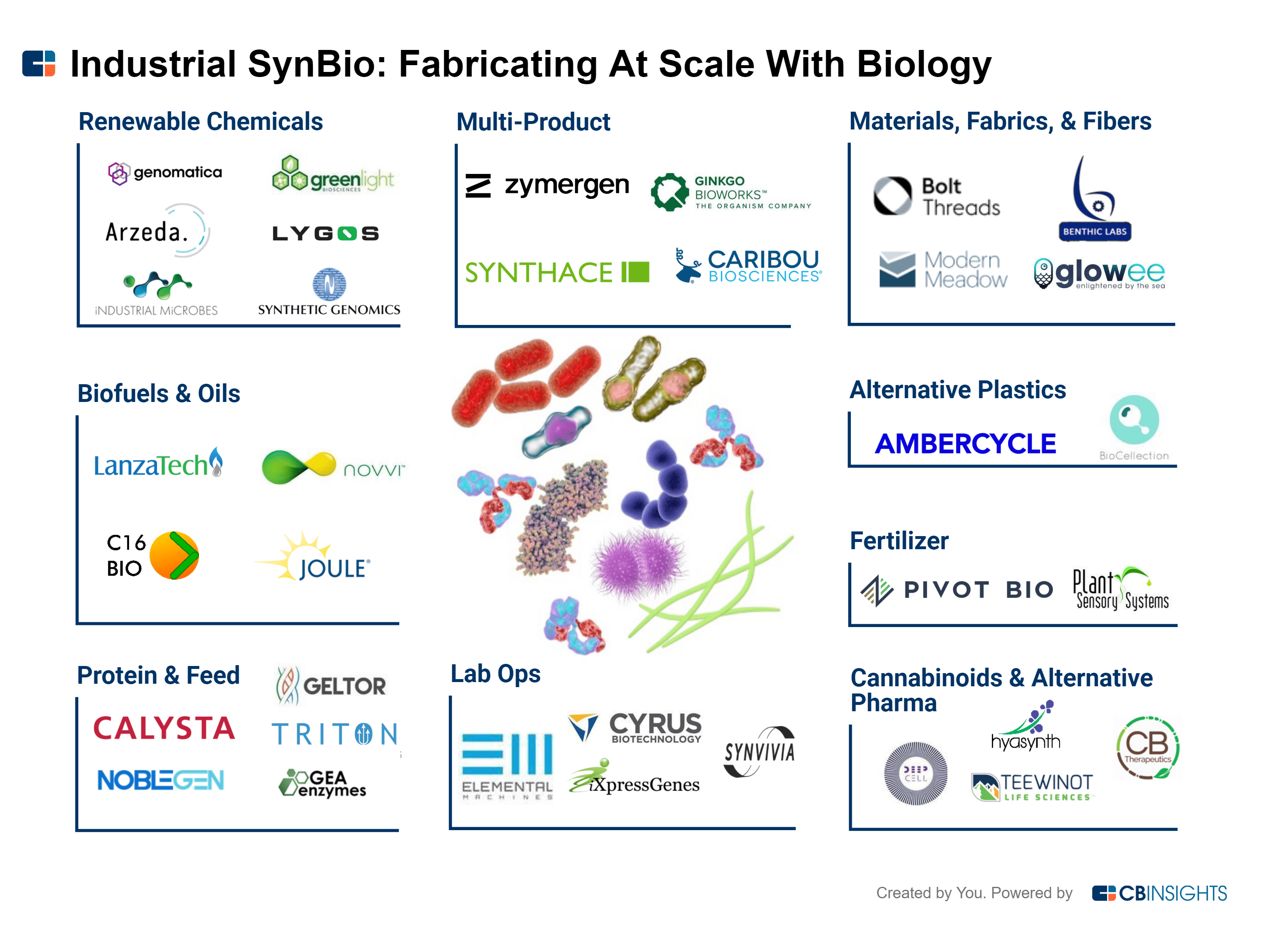
Figure 3. Companies Using Synthetic Biology for Industrial Scale Fabrication [Image courtesy of CBI Research Portal].
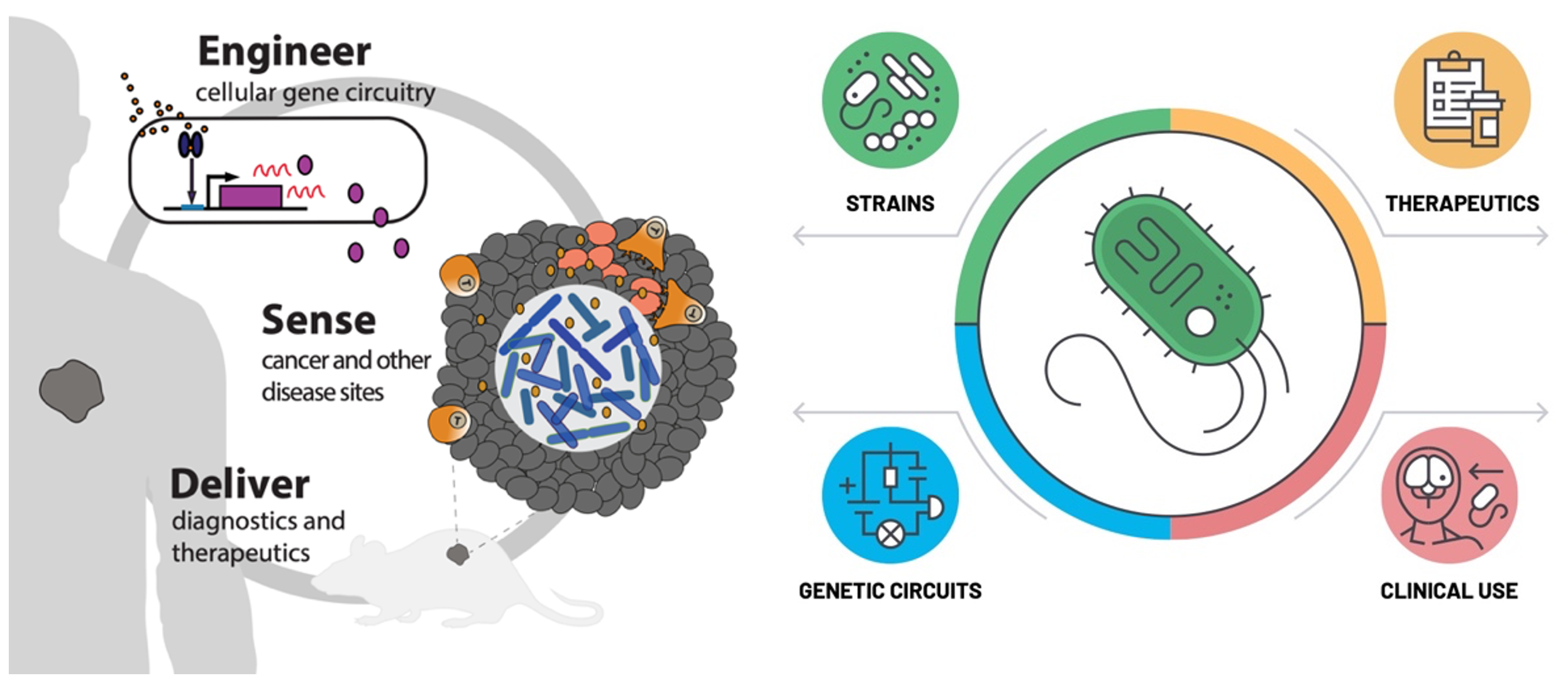
Figure 4. Synthetic Biology: The Industrial Revolution of Tomorrow [Image courtesy of Addie Bryant blog].
Bibliography
[1] “Biomanufacturing and Synthetic Biology | Manufacturing | CDC,” National Institute for Occupational Safety and Health (NIOSH), Apr. 07, 2024. Accessed: May 26, 2024. [Online]. Available: https://www.cdc.gov/niosh/manufacturing/bio/index.html
[2] C. D. Scown and J. D. Keasling, “Sustainable manufacturing with synthetic biology,” Nature Biotechnology, vol. 40, pp. 304–307, Feb. 21, 2022. Accessed: May 26, 2024. [Online]. Available: https://www.nature.com/articles/s41587-022-01248-8
[3] N. Goeldel, “Synthetic Biology Is Getting Closer to Industrial Scale,” BCG, 2023. Accessed: May 26, 2024. [Online]. Available: https://www.bcg.com/capabilities/digital-technology-data/emerging-technologies/expert-insights/nicolas-goeldel
[4] R. Martin, “Synthetic Biology at Scale: Building the Future of Biomanufacturing,” Hyper Recruitment Solutions, Sep. 23, 2025. Accessed: May 26, 2024. [Online]. Available: https://www.hyperec.com/blog/synthetic-biology-at-scale-building-the-future-of-biomanufacturing/
[5] “Recent Advancements in Synthetic Biology for Manufacturing,” Sustainable Manufacturing Conference | MD&M West. Accessed: May 26, 2024. [Online]. Available: https://www.sustainablemanufacturingexpo.com/en/articles/article-titled.html
[6] “Synthetic biology is shaking up these 5 industries–Some of them might surprise you,” SynBioBeta, Feb. 11, 2020. Accessed: May 26, 2024. [Online]. Available: https://www.synbiobeta.com/read/synthetic-biology-is-shaking-up-these-5-industries-some-of-them-might-surprise-you
[7] N. et al., “Synthetic Biology for Industrial Biotechnology,” iBiology. Accessed: May 26, 2024. [Online]. Available: https://www.ibiology.org/bioengineering/industrial-biotechnology/
[8] E. Petruzzelli, “Synthetic Biology: Fueling Industrial Biomanufacturing,” AIChE, Nov. 2022. Accessed: May 26, 2024. [Online]. Available: https://www.aiche.org/resources/publications/cep/2022/november/synthetic-biology-fueling-industrial-biomanufacturing
[9] A. Alisha, “Synthetic Biology: Transforming Industry & Healthcare,” Kings Research Blog, Oct. 06, 2025. Accessed: May 26, 2024. [Online]. Available: https://www.kingsresearch.com/blog/synthetic-biology-transforming-industry
[10] “Synthetic Biology Is About to Disrupt Your Industry,” BCG, 2022. Accessed: May 26, 2024. [Online]. Available: https://www.bcg.com/publications/2022/synthetic-biology-is-about-to-disrupt-your-industry
[11] “The impact of synthetic biology on industrial biotechnology,” Biology Journal, 2023. Accessed: May 26, 2024. [Online]. Available: https://www.biologyjournal.net/archives/2023/vol5issue2/PartB/6-1-40-178.pdf
[12] “Synthetic Biology: Revolutionizing Industrial Biotechnology,” Allied Academies. Accessed: May 26, 2024. [Online]. Available: https://www.alliedacademies.org/articles/synthetic-biology-revolutionizing-industrial-biotechnology.pdf
[13] PatentsKart, “Synthetic Biology for Bio-Manufacturing: The Industrial Revolution of Tomorrow,” LinkedIn, Oct. 28, 2025. Accessed: May 26, 2024. [Online]. Available: https://www.linkedin.com/pulse/synthetic-biology-bio-manufacturing-industrial-revolution-obujc
[14] “How Synthetic Biology Is Shaping the Future of Sustainable Manufacturing,” Alpha Tech Resources, Jul. 08, 2025. Accessed: May 26, 2024. [Online]. Available: https://alphatechresources.com/how-synthetic-biology-is-shaping-the-future-of-sustainable-manufacturing/
[15] “Engineering Biology Aspirations – GOV.UK,” Government Office for Science, Apr. 25, 2025. Accessed: May 26, 2024. [Online]. Available: https://www.gov.uk/government/publications/engineering-biology-aspirations-report/engineering-biology-aspirations
[16] M. Chatsko, “There’s a Manufacturing Hell in Biotech, Too,” Solt DB, Jan. 20, 2024. Accessed: May 26, 2024. [Online]. Available: https://www.living.tech/articles/theres-a-manufacturing-hell-in-biotech-too
[17] “Industrialization of Biology,” Biomanufacturing.org. Accessed: May 26, 2024. [Online]. Available: https://biomanufacturing.org/uploads/files/62308196346175826-industrialization-of-biology.pdf
[18] “Engineering Biology Aspirations report,” assets.publishing.service.gov.uk. Accessed: May 26, 2024. [Online]. Available: https://assets.publishing.service.gov.uk/media/680b598cfaff81833fcae899/Engineering_Biology_Aspirations_report_PDF.pdf
[19] L. Dignan, “Synthetic biology: What you need to know,” Constellation Research Inc., Jun. 29, 2023. Accessed: May 26, 2024. [Online]. Available: https://www.constellationr.com/blog-news/insights/synthetic-biology-what-you-need-know
[20] “Synthetic Biology in Australia,” University of Cambridge, 2018. Accessed: May 26, 2024. [Online]. Available: https://haseloff.plantsci.cam.ac.uk/resources/SynBio_reports/ACOLA_HS3_SynBiology_2018.pdf
[21] R. Desai, “SYNTHETIC BIOLOGY (SYNBIO),” Dr Rajiv Desai Blog, May 07, 2017. Accessed: May 26, 2024. [Online]. Available: https://drrajivdesaimd.com/2017/05/07/synthetic-biology-synbio/comment-page-1/
[22] “Synthetic Biology Has Raised $12.4 Billion. Here Are Five Sectors It Will Soon Disrupt,” SynBioBeta, Sep. 15, 2019. Accessed: May 26, 2024. [Online]. Available: https://www.synbiobeta.com/read/synthetic-biology-has-raised-12-4-billion-here-are-five-sectors-it-will-soon-disrupt
[23] J. Conant, “Weird Science: The Promise and Peril of Synthetic Biology,” SynBioWatch, Sep. 2012. Accessed: May 26, 2024. [Online]. Available: https://www.synbiowatch.org/2012/09/weird-science-the-promise-and-peril-of-synthetic-biology/
[24] J. Cumbers, “WATCH: This Two-Minute Synthetic Biology Video Is A Far-Out Vision Of The Future,” Forbes, Aug. 30, 2019. Accessed: May 26, 2024. [Online]. Available: https://www.forbes.com/sites/johncumbers/2019/08/30/watch-this-two-minute-synthetic-biology-video-is-a-far-out-vision-of-the-future/
[25] K. Kingston, “Would Americans Ban Synthetic Biology if They Knew the Truth?,” The Kingston Report, Jun. 09, 2023. Accessed: May 26, 2024. [Online]. Available: https://www.thekingstonreport.com/p/would-americans-ban-synthetic-biology
[26] “Synthetic Biology Industry is Rising Rapidly Up to USD 80.17 Bn by 2033,” BioSpace, Apr. 22, 2024. Accessed: May 26, 2024. [Online]. Available: https://www.biospace.com/synthetic-biology-industry-is-rising-rapidly-up-to-usd-80-17-bn-by-2033
[27] “Synthetic biology in industrial microbiology: Designing microbes for precision manufacturing,” Allied Academies. Accessed: May 26, 2024. [Online]. Available: https://www.alliedacademies.org/articles/synthetic-biology-in-industrial-microbiology-designing-microbes-for-precision-manufacturing.pdf
[28] M. J. Palmer, “Megan Palmer: We must build a world where everyone, everywhere, can build with biology,” LSE Business Review, Dec. 15, 2021. Accessed: May 26, 2024. [Online]. Available: https://blogs.lse.ac.uk/businessreview/2021/12/15/megan-palmer-we-must-build-a-world-where-everyone-everywhere-can-build-with-biology/
[29] “With Food Security Becoming One Of Our Biggest Challenges For Humankind’s Survival, What’s On The Menu For The 9 Billion People Inhabiting The World By 2050?,” Travel Agent, Sep. 22, 2019. Accessed: May 26, 2024. [Online]. Available: https://travel-agent.com/2019/09/22/with-food-security-becoming-one-of-our-biggest-challenges-for-humankinds-survival-whats-on-the-menu-for-the-9-billion-people-inhabiting-the-world-by-2050/
Leave a Reply