
Antarctic fish represent a fascinating group of organisms exceptionally adapted to thrive in one of the planet’s most extreme environments: the perpetually cold, sub-zero waters surrounding the Antarctic continent. These unique ichthyofauna have evolved remarkable physiological and biochemical mechanisms to endure temperatures consistently below -1.5°C, conditions lethal to most other aquatic species.
A defining adaptation among many Antarctic fish, particularly those belonging to the Notothenioidei suborder, is the presence of antifreeze glycoproteins (AFGPs). These specialized proteins circulating in their blood act to prevent the formation and growth of ice crystals within their bodies, a critical survival mechanism in their icy habitat. Their ability to flourish in such frigid conditions is visually evident as they navigate the intricate and mesmerizing formations beneath the ice, demonstrating a profound connection to their cold-water environment.

The diversity of Antarctic fish species is notable, ranging from large predatory fish to smaller, benthic dwellers. A prominent example is the Antarctic Toothfish (Dissostichus mawsoni), a large commercially valuable species found in deep Antarctic waters, known for its robust physique and ecological role as a top predator.
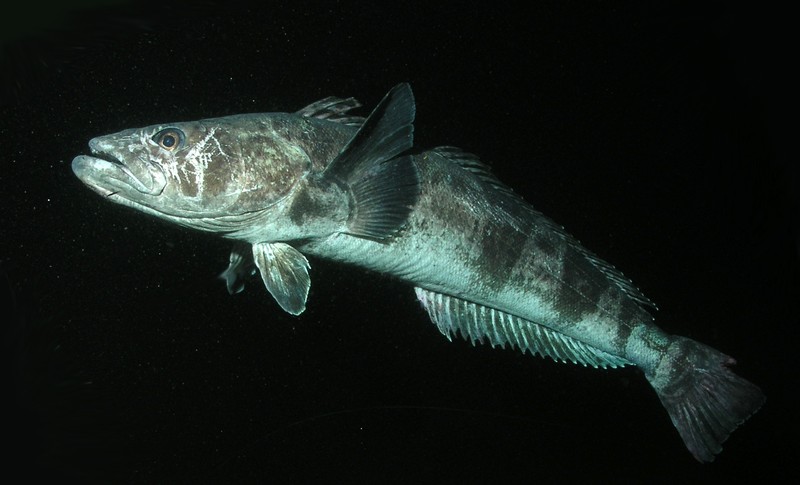
Other significant species include Trematomus bernacchii, a common demersal fish frequently observed in coastal Antarctic waters, and various other specialized forms, some with unique body plans that facilitate their survival in rocky or crevice-rich habitats.

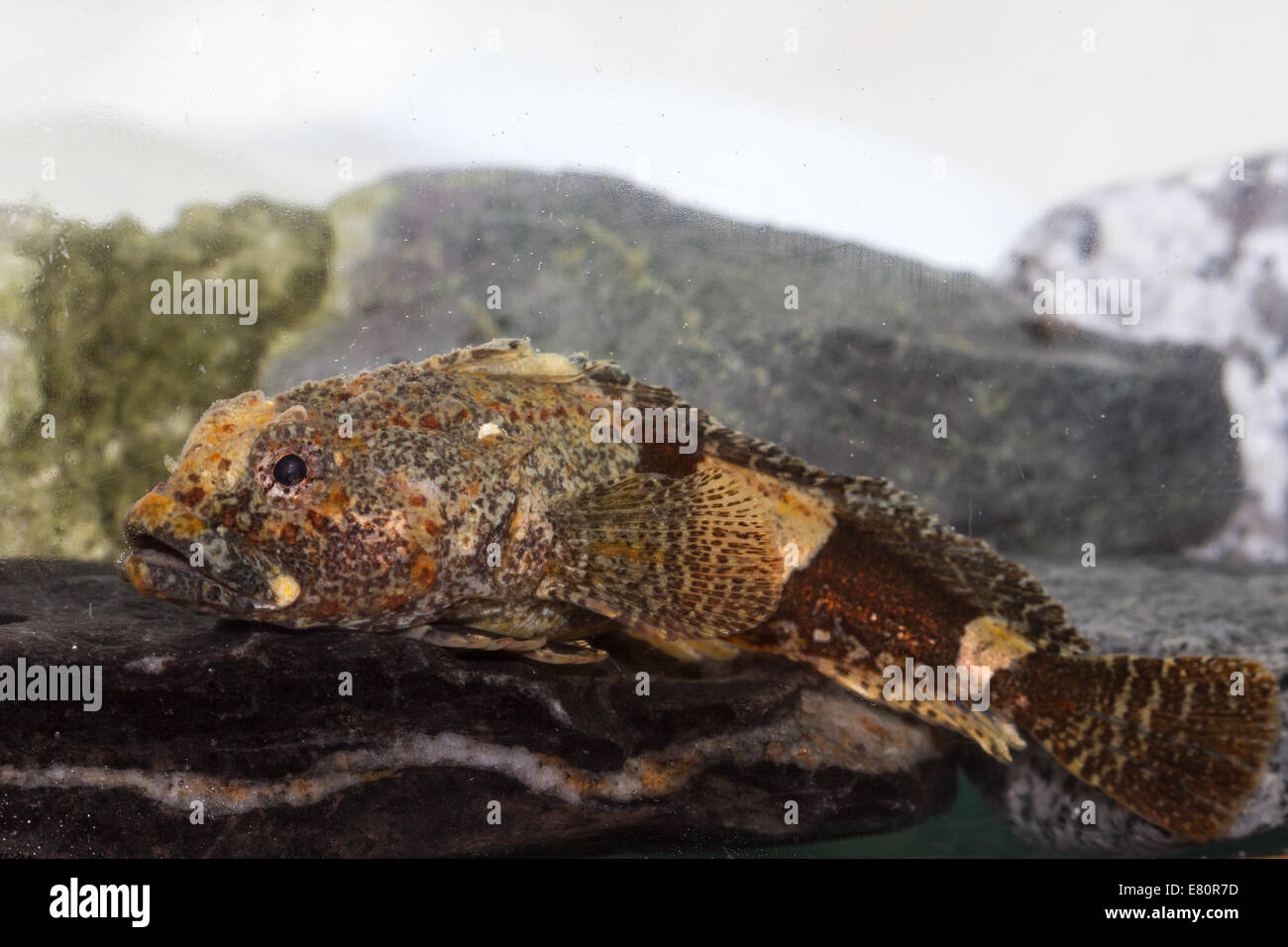
Beyond their biological marvels, Antarctic fish play a crucial role in the Antarctic marine ecosystem, contributing significantly to its food web as both predators and prey. Certain species, like the Antarctic Toothfish, are also subject to commercial fishing, underscoring the interplay between unique polar wildlife and human economic activities. The sustainability of these fisheries is a critical area of ongoing research and conservation efforts, given the fragile nature of the Antarctic environment. The study of Antarctic fish continues to provide invaluable insights into cold adaptation, evolutionary biology, and the resilience of life, making them a key focus in biological research.

Bibliography
(Note: As the raw data primarily consisted of image titles and URLs, this bibliography lists the sources for the images used in the summary.)
Antarctic fish species [Image]. (n.d.). Alamy. https://c8.alamy.com/comp/E80R7D/antarctic-slingshot-which-lies-on-the-rocks-in-the-aquarium-E80R7D.jpg
Antarctic fish species [Image]. (n.d.). Antarctica Ecofishiology. https://antarctica-ecofishiology.github.io/pictures/T.bernachii_1.jpg
Antarctic toothfish [Image]. (n.d.). Encyclopedia Westarctica. https://www.westarctica.wiki/images/6/62/Antarctic_toothfish-water.jpg
A fresh Antarctic fish haul in icy waters, reflecting marine wildlife … [Image]. (n.d.). Dreamstime. https://thumbs.dreamstime.com/b/fresh-antarctic-fish-haul-icy-waters-reflecting-marine-wildlife-polar-fishing-348043568.jpg
Life beneath the ice by of a curious Antarctic fish … [Image]. (n.d.). Freepik.
Leave a Reply