
PREFACE
This book was synthesized by AI using thousands of research abstracts submitted to the ISMRM 2026 conference. It is subject to the biases of the language model – titles and topics selected where not chosen by a human. The selections may have been chosen from sheer random values.
CHAPTER 1: Acquisition & Reconstruction
Acquisition & Reconstruction: Towards Autonomous, High-Fidelity MRI
The realm of Magnetic Resonance Imaging (MRI) acquisition and reconstruction continues its relentless pursuit of enhanced image quality, accelerated data collection, novel contrasts, and improved clinical utility. Contemporary research in this domain is profoundly shaped by a confluence of persistent challenges: mitigating inherent physical artifacts, overcoming fundamental trade-offs between speed and resolution, and extracting increasingly sophisticated biological information from the MR signal. A unifying theme across these efforts is the drive towards more robust and efficient imaging protocols that can seamlessly translate into diverse clinical and research environments, particularly those characterized by patient motion, challenging anatomical locations, or unconventional hardware. Researchers are actively developing strategies to suppress complex field inhomogeneities, compensate for physiological and deliberate motion, and unlock the diagnostic potential of previously inaccessible ultrashort T2 signals and alternative nuclei. Concurrently, advancements in computational frameworks, including deep learning and refined model-based approaches, are proving instrumental in transforming raw data into high-fidelity diagnostic images, often pushing the limits of what was previously considered feasible within clinically viable scan times. This chapter synthesizes recent breakthroughs, highlighting the workhorse methodologies that underpin current practice and spotlighting the innovations poised to redefine the landscape of MRI acquisition and reconstruction.
THE CURRENT STATE
The current landscape of MRI acquisition and reconstruction is defined by an overarching ambition to push the boundaries of image quality and clinical utility, often by addressing long-standing technical hurdles. A primary focus lies in artifact mitigation, encompassing a broad range of challenges from higher-order eddy currents in off-center imaging to the complex B0 and B1 inhomogeneities prevalent in low-field or ultra-high field systems. Patient and physiological motion, a persistent source of image degradation, is a strong driver for innovation in real-time correction strategies. Similarly, the inherent blurring in spiral acquisitions due to off-resonance effects necessitates sophisticated deblurring techniques.
Another critical theme is the continuous drive for speed and efficiency. This is manifest in the development of compressed sensing (CS) and deep learning (DL) reconstruction methods that allow for rapid, undersampled acquisitions. Innovations extend to interleaved pulse sequences, such as those combining proton and sodium imaging, and simultaneous multi-contrast imaging schemes that aim to acquire multiple image types within the timeframe of a single acquisition.
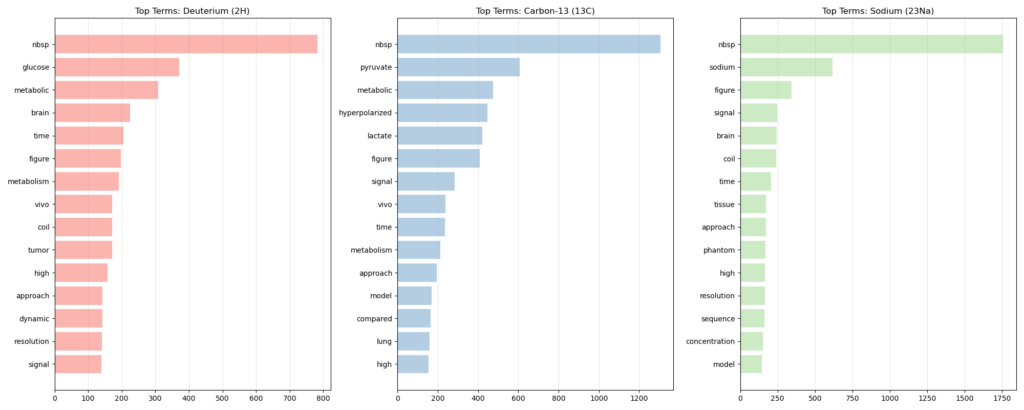
The expansion of MRI’s capabilities into quantitative and novel contrasts is also a key area. This includes the direct imaging of rapidly decaying signals from macromolecules and myelin, the enhancement of signals from less abundant nuclei like sodium, and the extraction of previously underutilized phase information from sequences like balanced steady-state free precession (bSSFP). These efforts aim to provide deeper biological insights and new diagnostic markers.
Underpinning many of these advancements is the rapid progress in computational methodologies. This includes the development of faster and more accurate Bloch simulations for sequence optimization, generalized model-based reconstruction algorithms that account for complex magnetic fields, and the increasing adoption of deep learning for image reconstruction, de-noising, and artifact removal. These computational tools are often designed with GPU acceleration in mind to achieve clinically relevant processing speeds.
Finally, the field is witnessing a tighter hardware-software co-development, where innovations in gradient systems, RF coils, and real-time sensing technologies (e.g., inertial measurement units) are intimately coupled with flexible, open-source programming environments to enable advanced pulse sequence design and control. This synergistic approach is crucial for addressing the intricate challenges of modern MRI and accelerating its translation into clinical practice, with a clear focus on reducing scan times, enhancing patient comfort, and improving diagnostic precision.
CORE TECHNOLOGIES
The foundational pillars of modern MRI acquisition and reconstruction are built upon several well-established methodologies that continue to evolve and underpin much of the field’s progress. Compressed Sensing (CS) and Deep Learning (DL) Reconstruction have become indispensable tools for accelerating data acquisition. By exploiting image sparsity or learned priors, these methods enable significant undersampling of k-space while maintaining diagnostic image quality, as exemplified by a prospective study validating subtractionless DL-CS-WBMRA for whole-body vascular assessment. This synergy between undersampling and intelligent reconstruction is critical for reducing scan times and enhancing patient comfort, particularly in lengthy examinations.
Model-Based Reconstruction serves as another cornerstone, leveraging explicit physical models of the MR signal formation to address complex artifacts and extract quantitative information. This approach is fundamental for situations where Fourier-based methods fall short due to intricate field inhomogeneities or the need for multi-component separation. Examples include joint water-fat separation and spiral deblurring, where accurate physical models are paramount for resolving signal ambiguities caused by off-resonance effects. Similarly, the inference of absolute RF-receive-channel phase offsets from bSSFP signals relies on precise mathematical modeling of the sequence’s unique phase behavior.
For imaging tissues with extremely rapid signal decay, Ultrashort Echo Time (UTE) and Zero Echo Time (ZTE) sequences remain the methods of choice. These sequences are uniquely designed to acquire signals within the system’s dead time, making direct imaging of components like myelin and macromolecules possible. Continuous innovation in this area focuses on improving the quality and efficiency of these specialized acquisitions.
Patient motion, a perennial challenge in MRI, is increasingly addressed by Prospective Motion Correction (PMC) and Self-Navigation (SN) techniques. These systems aim to sense and compensate for motion in real-time during data acquisition, preventing artifacts rather than correcting them retrospectively. Efforts to develop high-temporal-resolution motion sensing, often using external tracking devices, are crucial for this paradigm shift.
Finally, the widespread adoption of multi-channel receiver coils and parallel imaging techniques (e.g., SENSE, GRAPPA) continues to be a ‘workhorse’ strategy for improving imaging speed and mitigating aliasing artifacts. While not always explicitly highlighted in every abstract, these capabilities are implicitly leveraged in almost all advanced reconstruction schemes, from interleaved acquisitions to simultaneous multi-contrast imaging. The fundamental understanding of Bloch equations also remains a core technology, albeit with growing demands for more accurate and efficient simulation, as seen in the development of faster Bloch solvers utilizing methods like Magnus expansions.
THE CUTTING EDGE
The frontier of MRI acquisition and reconstruction is marked by inventive solutions that challenge conventional limitations and open new avenues for clinical and scientific inquiry. Several abstracts present genuinely innovative approaches that push the boundaries of what is currently achievable:
A significant conceptual leap is offered by the 6D Bloch Model for Flexible MR Reconstruction, which fundamentally re-evaluates the assumptions underlying MR modeling. By eschewing traditional presumptions of homogeneous B0, B1, and gradient fields, this framework enables accurate, distortion-free reconstruction in highly inhomogeneous magnetic environments, particularly those encountered in novel low-field and compact magnet designs. This generalized Bloch model, accounting for 3D spatial and magnetic field variations, represents a powerful tool for unlocking the full potential of unconventional hardware.
Addressing the critical need for robust motion compensation in complex scenarios, a Contrast-Aware, Self-Navigated, Online Sub-TR Motion Estimation method stands out. This innovation bypasses the computational bottlenecks of traditional forward models by operating entirely in k-space, using a novel single-virtual-coil k-space-to-k-space framework. It achieves sub-TR (beyond once-per-shot) motion updates for non-steady-state sequences (e.g., MPRAGE) with evolving contrast, paving the way for truly real-time, online motion correction with significantly reduced latency and computational demands.
In the realm of dynamic MRI, the Temporal Manifold–Conditioned Diffusion Model introduces an unsupervised framework that exquisitely blends the strengths of different deep learning paradigms. It ingeniously integrates the global spatial priors of pre-trained diffusion models with the data-specific, motion-aware temporal latent manifold learned by a Deep Image Prior. This synergy yields dynamic MRI reconstructions with both high spatial fidelity and unparalleled temporal consistency, even under high acceleration factors, without relying on task-specific training data.
The translation of multi-nuclear MRI into clinical practice is often hindered by low SNR and SAR constraints. A SAR-Constrained Optimization Approach for Boosting Sodium Signal in Interleaved 1H-MP2RAGE – 23Na-MERINA offers a systematic framework to maximize 23Na-SNR within the strict SAR and timing envelopes of interleaved sequences. This moves beyond empirical parameter tuning, enabling “scan one, get one free” acquisitions with optimized image quality and significantly improving the feasibility of multi-nuclear imaging.
Another striking innovation leverages the enigmatic phase information of bSSFP sequences: Extracting absolute RF-receive-channel phase offsets from a single bSSFP acquisition using mathematical inference. By utilizing a mathematical approximation of the bSSFP signal under typical scanning conditions, this method enables rapid, high-SNR mapping of phase offsets, even from a single acquisition. This simplifies a previously laborious multi-acquisition task, unlocking underutilized bSSFP phase data for applications like coil calibration and phase-sensitive reconstructions.
Furthermore, a highly practical yet impactful innovation addresses a common artifact source: Real-Time 1st and 0th-order Eddy Current Correction Optimized for Off-Center Imaging. This work demonstrates that by meticulously characterizing spatio-temporal eddy current behavior in off-center regions, existing 0th and 1st-order eddy current correction subsystems can be optimized to effectively mitigate higher-order eddy current effects, leading to improved fat suppression and reduced signal dropout in challenging anatomical locations.
Finally, the democratization of advanced RF control is exemplified by the Software Control of pTx RF Coefficients using Pulseq at 7T. This initiative demonstrates how the open-source Pulseq framework can provide user-friendly control over parallel transmit (pTx) RF coefficients, facilitating the implementation of sophisticated B1+ mitigation strategies like Time Interleaved Acquisition of Modes (TIAMO). This significantly lowers the barrier to entry for researchers to develop and deploy advanced pTx techniques at ultra-high fields, fostering rapid innovation in RF pulse design and image uniformity.
KEY TAKEAWAY
The “Acquisition & Reconstruction” track is rapidly evolving towards an era of autonomous, high-fidelity MRI, characterized by the deep integration of advanced computational intelligence with innovative hardware capabilities. Future developments will undoubtedly feature more sophisticated real-time systems that dynamically adapt to physiological changes, patient motion, and local field inhomogeneities, pushing the envelope of speed, resolution, and quantitative accuracy. The convergence of physics-informed model-based reconstruction, adaptive deep learning algorithms, and intelligent sequence design will enable clinicians and researchers to acquire unprecedented insights from the human body, transforming diagnostic pathways and facilitating the routine clinical adoption of previously challenging or niche MRI applications, ultimately delivering more precise, personalized, and patient-friendly imaging solutions.
CHAPTER 2: Analysis Methods
Analysis Methods: Advancing Diagnostic and Prognostic Power in MRI
The landscape of magnetic resonance imaging (MRI) analysis methods is undergoing a profound transformation, driven by an urgent clinical need for more precise, non-invasive diagnostics and prognostics. The contributions to the ISMRM 2026 Anthology in this track highlight a compelling convergence of advanced computational techniques, sophisticated data integration strategies, and a sustained push for robust, interpretable, and generalizable solutions across diverse clinical applications. From molecular subtyping of gliomas to the early detection of osteoporosis and stroke risk, these studies collectively underscore the burgeoning power of quantitative imaging to unlock previously inaccessible biological insights and enhance personalized medicine.
The Current State: Towards Precision Imaging Biomarkers
At its core, current research in MRI analysis methods is defined by the pursuit of objective, quantifiable imaging biomarkers capable of complementing or surpassing traditional clinical assessments. A central theme is the non-invasive characterization of disease, particularly in areas where conventional methods are invasive or lack sensitivity. For instance, the accurate preoperative prediction of IDH mutation status in gliomas, crucial for guiding personalized treatment, remains a significant challenge. Similarly, identifying symptomatic carotid plaques beyond simple stenosis measurements is critical for stroke prevention, and detecting early osteoporotic changes before significant bone loss occurs is vital for intervention.
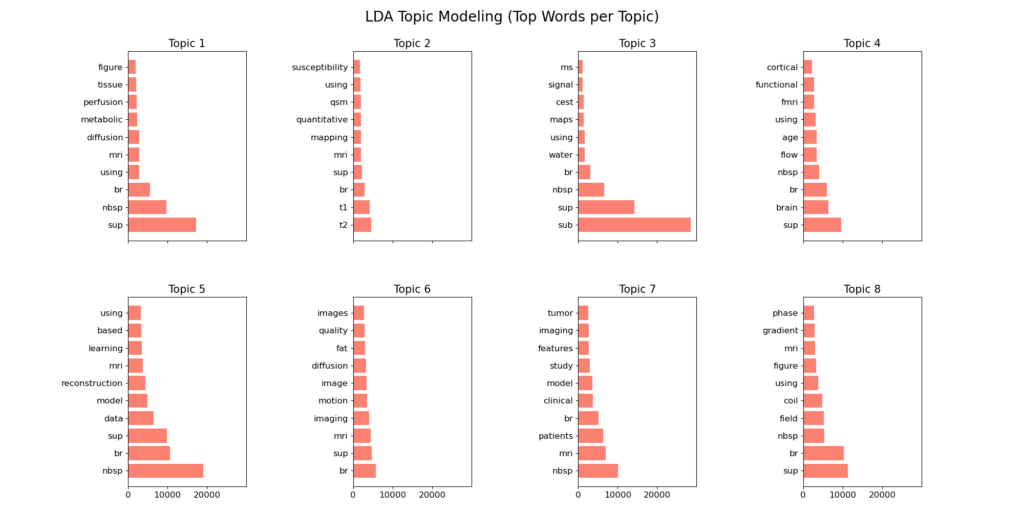
Researchers are increasingly leveraging multimodal MRI data (e.g., T1WI, T2WI, T1CE, FLAIR, ADC, DWI, UTE, NM-MRI, ASL) to capture the multifaceted biological heterogeneity inherent in diseases. The goal is to move beyond subjective visual interpretation, which is prone to inter-reader variability and often misses subtle, but diagnostically critical, patterns. This necessitates sophisticated analytical frameworks that can process large, complex datasets, extract meaningful features, and build predictive models that are both accurate and clinically actionable. A growing emphasis is also placed on the robustness and generalizability of these models across different scanners, acquisition protocols, and patient populations, reflecting the complexities of real-world clinical deployment.
Core Technologies: The Workhorse of Quantitative Imaging
The foundational methods driving progress in this track can be broadly categorized into deep learning (DL), radiomics, and machine learning (ML) paradigms, often employed in concert.
Deep Learning (DL) architectures, particularly variants of the U-Net, have emerged as indispensable tools for automated image segmentation. The nnU-Net framework, lauded for its self-configuring capabilities, consistently appears as a workhorse for precise anatomical delineation across various applications, from parotid tumors and carotid plaques to the parasagittal dura in pediatric autism and even brain morphometry. Beyond segmentation, 3D Convolutional Neural Networks (CNNs) and residual networks like ResNet18 are widely utilized for classification tasks, extracting high-level, abstract features directly from image data. Data augmentation and sophisticated preprocessing pipelines are standard practices to enhance model robustness and generalize across diverse acquisition parameters.
Radiomics offers a complementary approach by extracting high-throughput quantitative features (e.g., shape, first-order, texture, wavelet) from segmented regions of interest. These features aim to capture tumor heterogeneity and microstructural characteristics that are imperceptible to the human eye. Feature selection techniques such as LASSO regression, mRMR, and recursive feature elimination are commonly employed to identify the most discriminative features and prevent overfitting. Radiomics-derived features are frequently integrated with clinical data or DL features to build more comprehensive predictive models.
Machine Learning (ML) classifiers, including Support Vector Machines (SVM), Logistic Regression, Random Forests, K-Nearest Neighbors (KNN), Decision Trees, and Naive Bayes, serve as the backbone for disease classification, risk stratification, and outcome prediction. The performance of these models is rigorously evaluated using metrics such as Area Under the Receiver Operating Characteristic Curve (AUC), Dice Similarity Coefficient (DSC), Intersection over Union (IoU), accuracy, sensitivity, specificity, and F1-score. Furthermore, methods like SHAP (SHapley Additive exPlanations) and Grad-CAM are increasingly being adopted to enhance model interpretability, providing insights into which features or image regions contribute most to a prediction, thereby fostering clinical trust and understanding.
The Cutting Edge: Pushing the Boundaries of Analysis
While the core technologies provide a strong foundation, several innovative approaches are pushing the boundaries of what is possible in MRI analysis:
- Physics-Informed Deep Learning for Pan-Contrast Segmentation: The UltimateSynth Deep-brain Net (UDN) represents a significant leap by leveraging a physics-constrained MR simulation to generate pan-contrast training data. This enables the first tool capable of segmenting deep-brain structures across any MR contrast, any subject age, and any pathology, all within one minute. This paradigm shift, from contrast-specific to contrast-agnostic analysis, has profound implications for generalizability and clinical workflow efficiency.
- Federated Learning for Privacy-Preserving Multicenter Collaboration: Addressing the critical challenge of data privacy in multicenter studies, “Explainable Federated Multimodal MRI 3D-CNN for Predicting IDH Mutation Status in Brain Gliomas” showcases federated learning. This framework enables collaborative model training across multiple institutions without sharing raw patient data, thereby enhancing model generalizability and robustness while upholding ethical data governance standards. The integration of explainable AI further bolsters its clinical utility.
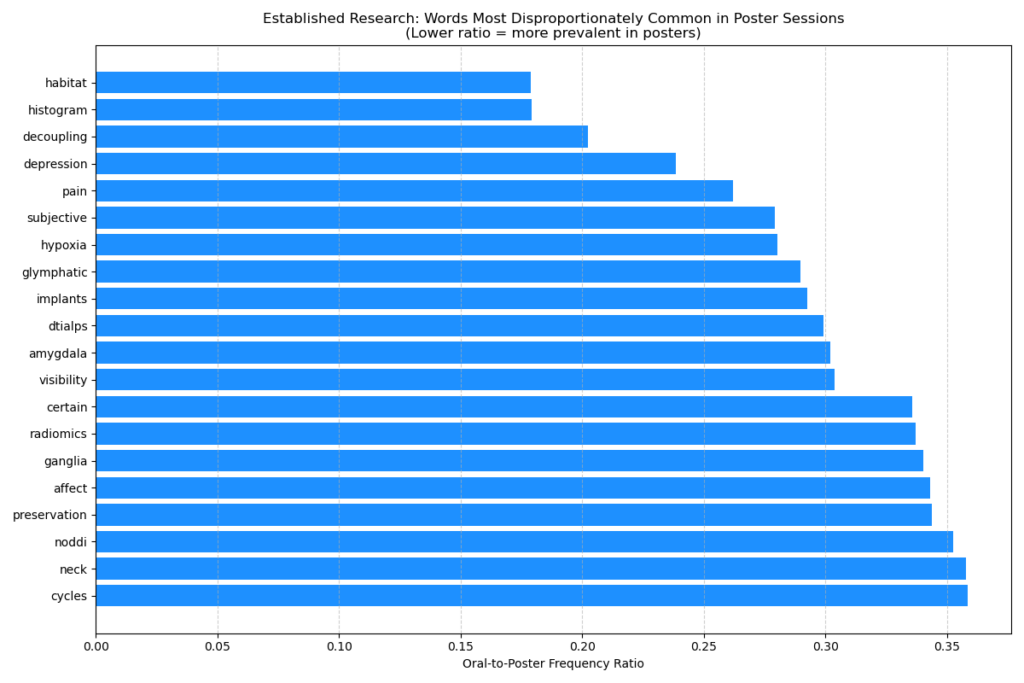
- Explainable Spatial Radiomics via Local Moran’s I: Moving beyond quantifying heterogeneity to understanding where it occurs, “Local Moran’s I–based Radiomics Predicts Post-CCRT Survival in Locally Advanced Cervical Cancer” introduces spatial autocorrelation into MRI habitat radiomics. By defining “habitats” based on local spatial clustering (high-high, low-low, high-low, low-high), this approach offers an explainable survival model, linking image patterns to biologically meaningful hypotheses such as cellularity, hypoxia/necrosis, and functional heterogeneity, significantly outperforming conventional intensity-based clustering.
- Ultrafast High-Resolution MRSI for In Vivo Spatial Metabolomics: Bridging the gap between macroscopic imaging and microscopic molecular processes, “Metabolomic imaging of the brain enabled by high-resolution MRSI” demonstrates in vivo unsupervised brain metabolomic imaging using ultrafast MRSI. This novel framework provides spatial omics analysis of living human brains, identifying distinct metabolic gradients associated with functional and mitochondrial architectures, opening new avenues for understanding brain function and disease at a molecular level.
- Synergistic Deep Learning Radiomics (DLR) Signatures: The fusion of deep learning and radiomics features is exemplified by “Deep Learning Radiomics Signature from Multi-Contrast MRI for Automated Identification of Symptomatic Carotid Plaques.” This study demonstrates that combining complementary features from both DL (automated, high-level) and radiomics (interpretable, handcrafted) creates a powerful synergistic effect, significantly outperforming either approach alone for precise, non-invasive risk stratification.
- Optimal Mass Transport (OMT) for Enhanced Feature Representation: In “OMT and tensor SVD based deep learning model for segmentation and predicting genetic markers of glioma,” a novel OMT approach transforms irregular MRI brain images into tensors. This efficiently compresses irrelevant information while enhancing tumor-region features, and its integration with algebraic pre-classification and deep learning networks led to superior performance in predicting glioma genetic markers, even outperforming board-certified neuroradiologists.
- Robust Failure Detection for AI Segmentation: As AI models move into clinical practice, reliability is paramount. “Fast and Reliable Failure Detection for Image Segmentation Using Pairwise Dice Similarity” validates and optimizes a technique to detect segmentation errors. By using Pairwise Dice Similarity, particularly on informative structures like cortical gray matter, and optimizing for fast inference, this work improves the safety and trustworthiness of automated medical image analysis.
- Multi-Sequence Learning for Domain-Agnostic Segmentation: Tackling the pervasive challenge of domain shift due to varying acquisition protocols, “Multi-Sequence Learning Improves Robustness and Accuracy of Substantia Nigra Segmentation in Neuromelanin-Sensitive MRI” shows that training a U-Net model on multiple NM-MRI sequence types, combined with a custom preprocessing pipeline, drastically improves segmentation robustness on unseen sequence types, moving closer to truly domain-agnostic models.
Key Takeaway: The Dawn of Integrated, Explainable, and Robust AI in Medical Imaging
The “Analysis Methods” track at ISMRM 2026 paints a vivid picture of a field rapidly converging towards integrated, explainable, and robust AI solutions. The future of MRI analysis will undoubtedly be characterized by sophisticated multi-modal, multi-omics, and multi-scale data fusion, where deep learning and advanced statistical methods are seamlessly interwoven. A paramount focus will remain on enhancing the generalizability and trustworthiness of AI models, achieved through strategies like federated learning for privacy-preserving multicenter collaborations, physics-informed data synthesis to overcome data scarcity and heterogeneity, and intrinsic model explainability. These advancements promise to bridge the gap between microscopic molecular processes and macroscopic clinical manifestations, providing clinicians with unprecedented quantitative insights, ultimately leading to more precise diagnostics, personalized treatment strategies, and improved patient outcomes across a spectrum of neurological, oncological, and musculoskeletal diseases. The next generation of analysis methods will not just automate tasks but fundamentally redefine how we understand and manage human health.
CHAPTER 3: Body
Chapter Title: Body
Lead Editor’s Foreword: As the Lead Editor for the ISMRM 2026 Anthology, I am delighted to introduce this chapter dedicated to “Body” MRI. This vital research track underscores the immense and ever-expanding utility of magnetic resonance imaging in characterizing the abdomen and pelvis. From routine clinical diagnostics to the vanguard of precision oncology, the contributions within this section collectively highlight MRI’s transformative potential to enhance patient care. This review synthesizes key themes and innovations, charting the present landscape and future trajectory of body MRI.
The Current State: An Indispensable Tool in Diagnostic and Therapeutic Pathways
Magnetic Resonance Imaging of the body, particularly the pelvis, has solidified its position as an indispensable diagnostic modality across a broad spectrum of clinical applications. Routine anatomical and pathological assessments form the bedrock of its utility, ranging from the immediate evaluation of acute pelvic pain and the intricate mapping of perianal fistulas to the comprehensive characterization of placenta accreta spectrum and the functional assessment of the pelvic floor. Clinicians routinely rely on MRI for the essentials of female pelvic imaging, enabling precise diagnosis of conditions such as uterine fibroids, adenomyosis, and pelvic congestion, thereby guiding therapy planning and surgical interventions for complex cases like endometriosis.
Beyond benign and inflammatory conditions, MRI is the gold standard for oncological evaluation, playing a pivotal role in the staging of uterine and cervical cancers and the differential diagnosis of adnexal masses to distinguish benign from malignant etiologies. The integration of hybrid imaging techniques, such as MRI/PET in gynecologic oncology, further enhances diagnostic precision and treatment stratification. This widespread adoption stems from MRI’s superior soft-tissue contrast, multiplanar capabilities, and freedom from ionizing radiation, offering unparalleled detail crucial for accurate diagnosis, staging, and therapeutic guidance in a diverse patient population. The overarching theme is MRI’s foundational role in providing detailed anatomical and pathological information that profoundly impacts clinical decision-making.
Core Technologies: The Workhorses of Body MRI
The foundation of modern body MRI relies on a well-established suite of imaging sequences and interpretation methodologies. The “workhorse” methods commonly employed across these diverse applications primarily include:
- High-Resolution T2-weighted Imaging (T2WI): Offering excellent soft-tissue contrast, T2WI remains fundamental for delineating anatomical structures, identifying fluid collections, and characterizing pathological lesions. It is crucial for assessing tumor morphology, edema, and fibrous components, particularly in the pelvis where fluid-filled organs are prevalent.
- T1-weighted Imaging (T1WI): Essential for evaluating fat content, hemorrhagic products, and delineating anatomical planes. Its utility is often enhanced with gadolinium-based contrast agents to assess vascularity, lesion enhancement patterns, and differentiate active disease from scar tissue.
- Diffusion-Weighted Imaging (DWI): A functional sequence that provides insights into cellularity and tissue microstructure by quantifying water molecule diffusion. DWI is invaluable for tumor detection, differentiation, and assessing treatment response, as restricted diffusion often correlates with high cellularity and aggressive tumor biology.
- Dynamic Contrast-Enhanced MRI (DCE-MRI): Utilized for characterizing tissue perfusion and permeability, particularly in oncology. Although not universally applied, it provides quantitative pharmacokinetic parameters that can aid in lesion characterization and response assessment.
- Expert Radiologist Interpretation: Despite advancements in quantitative methods, the experience and expertise of radiologists in interpreting standard sequences, identifying key anatomical landmarks, and recognizing subtle pathological features remain paramount for accurate diagnosis and staging. Basic quantitative measurements, such as tumor size and distance to critical structures (e.g., mesorectal fascia), are routinely performed.
While these core technologies provide the essential framework, the abstracts reveal an exciting evolution towards more advanced quantitative and computational approaches built upon this foundation.
The Cutting Edge: Pushing the Boundaries of Precision and Prognosis
The research presented within this track demonstrates a concerted effort to move beyond mere anatomical depiction, leveraging advanced MRI techniques and computational tools to extract deeper functional, molecular, and prognostic insights. This push is fundamentally reshaping precision medicine in the body:
- Quantitative Imaging Biomarkers and Functional Mapping:
- Synthetic MRI (SyMRI) for Molecular Profiling: A significant advancement lies in the non-invasive acquisition of quantitative $T_1$, $T_2$, and Proton Density (PD) maps via SyMRI. This technology demonstrates promise in predicting histological grade and PIK3CA mutation status in rectal cancer. By correlating quantitative $T_2$ and PD values with specific molecular markers, SyMRI offers a path toward personalized treatment without invasive biopsies, providing a unique imaging fingerprint of tumor biology.
- QSM-Based Habitat Analysis for Hypoxia: Quantitative Susceptibility Mapping (QSM), traditionally applied in neuroimaging, is now being innovatively explored in the body. Its application, coupled with habitat analysis, offers a novel non-invasive approach to identify and characterize tumor hypoxia in rectal cancer. QSM’s ability to measure magnetic susceptibility changes associated with deoxyhemoglobin provides a direct imaging biomarker for the tumor microenvironment, surpassing the performance of conventional DCE-MRI in identifying severe hypoxic regions. This functional imaging capability is critical, as hypoxia is a key driver of therapeutic resistance.
- AI-Driven Precision Oncology and Treatment Response Prediction:
- MRI-Based Risk Stratification for Immunotherapy: A critical step towards personalized oncology is the ability to predict response to novel therapies. In locally advanced rectal cancer, even conventional MRI features (extramural venous invasion [mrEMVI], mesorectal fascia [mrMRF] involvement, and tumor length) can be harnessed to create a simple, clinically applicable risk stratification system. This system effectively identifies patients most likely to benefit from neoadjuvant immunotherapy, demonstrating that readily available imaging parameters can have profound prognostic implications for precision treatment planning.
- Deep Learning Radiomics for Pathological Complete Response (pCR) Prediction: Leveraging the full potential of multiparametric MRI, sophisticated deep learning radiomics (DLR) fusion models are being developed for highly accurate, non-invasive prediction of pCR after neoadjuvant chemoradiotherapy in rectal cancer. The integration of radiomic features with deep learning architectures (e.g., ResNet50) and crucial interpretability tools (SHAP, Grad-CAM) represents a significant leap forward. These methods not only provide robust predictive performance (AUCs > 0.85 in validation) but also offer transparent insights into which tumor regions and textural features are driving the predictions, fostering trust and clinical adoption for potential organ-preserving strategies.
- Radiogenomics: Bridging Imaging Phenotypes to Molecular Mechanisms:
- Predicting Microsatellite Instability (MSI) with Genomic Linkage: Perhaps the most compelling innovation is the integration of MR radiomics, habitat analysis, and genomics to predict Microsatellite Instability (MSI) status in rectal cancer. This multi-omics framework transcends the “black-box” nature of traditional AI by not only providing a highly accurate non-invasive predictive tool but also, for the first time, offering a genomic-level explanation for the biological mechanisms underlying the imaging model. By identifying key MSI-associated differentially expressed genes (DEGs) and correlating them with specific radiomics features, this research illuminates how imaging phenotypes reflect underlying molecular pathways, significantly enhancing the model’s credibility and translational potential for guiding immunotherapy decisions.
These cutting-edge developments collectively underscore a paradigm shift: MRI is no longer merely a diagnostic tool, but an integral component of a sophisticated, data-driven ecosystem for predictive and prognostic healthcare.
Key Takeaway: The Future of Body MRI – A Symphony of Precision
The trajectory of body MRI is undeniably towards a symphony of precision, where anatomical detail converges with quantitative functional and molecular insights. The work presented in this chapter exemplifies a future where MRI, propelled by advanced sequences, quantitative biomarkers, artificial intelligence, and multi-omics integration, will provide unprecedented non-invasive insights into disease biology. This evolution promises to revolutionize personalized medicine by enabling earlier and more accurate prediction of treatment response, guiding patient selection for advanced therapies like immunotherapy, and fostering organ-preserving strategies. The coming years will undoubtedly see accelerated clinical translation, multicenter validation, and the synergistic combination of these innovative approaches, solidifying MRI’s role not just as a diagnostic modality, but as a cornerstone of comprehensive, patient-centric precision healthcare in the body.
CHAPTER 4: Contrast Mechanisms
Contrast Mechanisms
Magnetic Resonance Imaging (MRI) has long been the cornerstone of non-invasive anatomical and functional visualization, offering unparalleled soft-tissue contrast. However, the continuous evolution of MRI research is rapidly extending its capabilities beyond structural depiction to the realm of molecular, metabolic, and physiological imaging. The “Contrast Mechanisms” research track at ISMRM 2026 highlights this transformative journey, showcasing an array of innovative techniques designed to unlock new dimensions of diagnostic and prognostic information. This chapter synthesizes the latest advancements, from the established ‘workhorse’ methods to the most surprising cutting-edge innovations, underscoring the field’s trajectory towards highly specific, quantitative, and clinically translatable molecular imaging.
The Current State: Bridging the Gap from Anatomy to Molecular Physiology
The overarching goal in the development of new MRI contrast mechanisms is to provide insights into fundamental biological processes at a molecular and cellular level, often before macroscopic anatomical changes become evident. This track demonstrates a pronounced focus on molecular specificity, aiming to detect low-concentration endogenous species like proteins, peptides, and key metabolites. Such specificity is being rigorously pursued across diverse clinical applications, including the early detection and characterization of neurodegenerative diseases (e.g., Alzheimer’s, Lafora disease), precise oncological staging and treatment response monitoring (e.g., glioblastoma, rectal cancer, hepatocellular carcinoma), and the mechanistic investigation of metabolic disorders (e.g., diabetes).
A central theme is the drive for early and sensitive disease monitoring, enabling intervention at the most opportune stages. This involves identifying subtle pathophysiological shifts, such as altered tumor metabolism or the accumulation of neurotoxic protein oligomers, before they manifest as volumetric or overt structural changes. Furthermore, much of the presented work is deeply rooted in the pursuit of clinical translation. This necessitates the development of robust, accelerated, and standardized methods that can overcome inherent MRI challenges like prolonged acquisition times, motion sensitivity, and field inhomogeneities—issues that are particularly pronounced at ultra-high magnetic field strengths. The integration of advanced computational methods, including artificial intelligence, is becoming a critical enabler in this endeavor, pushing the boundaries of what non-invasive imaging can achieve.
Core Technologies: The Workhorse of Molecular Imaging
The foundation of current advancements in contrast mechanisms rests heavily on several established methodologies, continually being refined and adapted for new challenges:
- Chemical Exchange Saturation Transfer (CEST) Imaging: This remains the predominant ‘workhorse’ technique for molecular imaging. By selectively saturating labile protons on endogenous (or exogenous) molecules and observing the subsequent transfer of this saturation to the abundant bulk water pool, CEST provides indirect, yet highly sensitive, detection of low-concentration species.
- Key CEST Biomarkers: A variety of CEST contrasts are widely employed. Amide Proton Transfer (APT/APTw/APT#) is extensively utilized for its sensitivity to protein and peptide content, reflecting cellularity, pH, and metabolic activity in various cancers and neurodegenerative conditions. The Nuclear Overhauser Effect (NOE/rNOE/NOE#) offers complementary information, primarily sensitive to macromolecular content and lipid protons. Creatine CEST (CrCEST) provides a direct non-invasive probe of phosphocreatine kinetics, offering critical insights into oxidative phosphorylation and energy metabolism. Finally, GlycoNOE is emerging for its specific detection of glycogen, crucial for monitoring glycogen storage disorders.
- Z-spectra Acquisition and Processing: Standard CEST acquisition involves scanning across a range of saturation frequency offsets (the Z-spectrum). Post-processing routinely includes B0 correction, often achieved with WASSR (Water Saturation Shift Referencing), and spectral fitting, typically involving multi-pool Lorentzian models to decompose complex Z-spectra into individual CEST components.
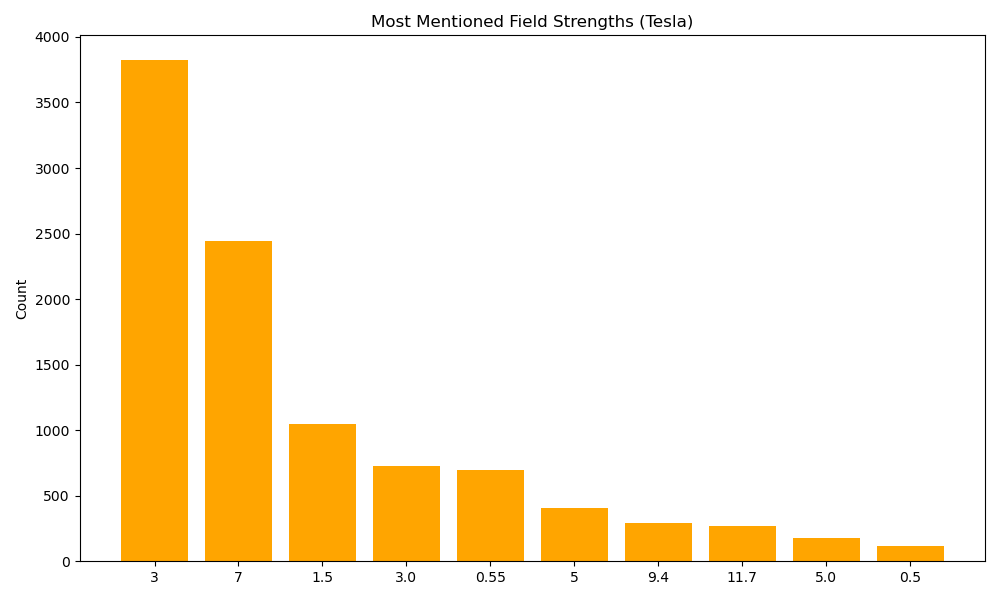
- High Magnetic Field Strengths (e.g., 7 Tesla): The increased sensitivity (SNR) and enhanced chemical shift dispersion offered by ultra-high field systems are frequently leveraged to improve the detectability and specificity of CEST and other metabolic imaging techniques, as demonstrated in CrCEST and GlycoNOE applications.
- Rapid Imaging Techniques (e.g., CEST-EPI): Echo Planar Imaging (EPI) based readouts are essential for reducing inherently long CEST scan times, although they necessitate sophisticated strategies to mitigate their characteristic distortions and artifacts.
- Multi-parametric MRI: Modern studies increasingly combine CEST with conventional quantitative MRI measures such as T1, T2, Apparent Diffusion Coefficient (ADC), Quantitative Susceptibility Mapping (QSM), and Magnetization Transfer Ratio (MTR), to provide a more comprehensive, orthogonal view of tissue pathophysiology.
- Inversion Recovery (IR) Sequences: These remain fundamental for generating specific T1-weighted contrast, exemplified by Late Gadolinium Enhancement (LGE) in cardiac imaging for scar visualization, and the Divided Subtracted Inversion Recovery (dSIR) sequence used to depict subtle white matter abnormalities.
- Machine Learning and Deep Learning: These computational approaches are rapidly transitioning from research tools to ‘workhorse’ methods, underpinning advanced image reconstruction, signal fitting, artifact correction, feature selection, and diagnostic modeling across numerous applications.
The Cutting Edge: Unveiling New Frontiers
The presented abstracts reveal a remarkable breadth of innovation, pushing the boundaries of existing contrast mechanisms and introducing entirely new paradigms:
- Early, Pre-Volumetric Treatment Response Monitoring: A truly impactful advancement is the demonstration of CEST (APT and rNOE) for monitoring natural killer cell-based immunotherapy for glioblastoma. Crucially, molecular changes were observed prior to detectable alterations in tumor volume, offering a powerful non-invasive tool for early assessment of treatment efficacy and providing sensitive feedback for adaptive therapy.
- Mechanistic Dissection of Metabolic Dysfunction: The innovative “dual-breathing CrCEST” paradigm at 7T represents a significant leap in understanding metabolic impairment. By comparing post-exercise creatine recovery under normoxic and hyperoxic conditions, this method can mechanistically distinguish between oxygen-delivery limitations and intrinsic mitochondrial dysfunction, particularly in diseases like diabetes. This moves CrCEST from a general marker of oxidative phosphorylation (OXPHOS) to a precise mechanistic probe.
- Multi-Modal pH-Responsive Nanoprobes: The development of acid-responsive Fe₃O₄@MnO₂@CMCS nanoprobes exemplifies cutting-edge theranostic design. These nanoprobes not only offer dual-parametric T1-T2 contrast upon Mn²⁺ release in acidic tumor microenvironments but also modulate the CEST signal, bridging the typically distinct realms of relaxation-based and exchange-based MRI contrast within a single agent. This provides a quantitative strategy for tumor microenvironment imaging.
- AI-Driven Acquisition & Reconstruction for Unprecedented Robustness and Speed:
- Adaptive Frequency Selection and Accelerated Fitting: Deep learning frameworks are revolutionizing CEST data processing. One abstract details a deep learning model that adaptively selects the most informative frequency offsets and accelerates NEMR (Numerical fitting of Extrapolated semisolid Magnetization transfer Reference) computation by an astonishing factor of 173,000, significantly boosting clinical viability by addressing a major computational bottleneck.
- Motion-Robust Quantitative CEST-MR Fingerprinting (MRF): The combination of golden-angle radial sampling, locally low-rank image reconstruction, and deep learning for CEST-MRF demonstrates a holistic solution for generating 3D whole-brain quantitative CEST maps in just 11 minutes. This simultaneously addresses motion artifacts, geometric distortions, and long scan times, a critical step towards clinical adoption.
- Robust Distortion Self-Correction for Sparse CEST-EPI: An ingenious single-shot blip-rewound CEST-EPI method leverages multi-TE joint reconstruction to derive accurate B0 field maps from even sparsely sampled frequency offsets (e.g., 7-point APTw). This enables robust distortion correction without dedicated field map acquisitions, making CEST-EPI more practical for rapid clinical protocols.
- Hardware Drift Compensation for Enhanced Reproducibility: Moving beyond traditional stabilization methods, predictive RF power amplifier (RFPA) drift compensation using real-time directional coupler monitoring significantly improves CEST reproducibility and shortens scan times by obviating the need for time-consuming pre-stabilizer scans, a crucial step for consistent quantitative measurements.
- Beyond Conventional Diagnostics with Molecular Specificity:
- Early Alzheimer’s Detection: APT# emerges as a highly sensitive molecular MRI biomarker for detecting soluble Aβ and tau oligomers in MCI/mild dementia. It demonstrated superior performance to other MRI measures and strong correlation with clinical dementia rating scores, offering a promising non-invasive tool for early diagnosis.
- Advanced Cancer Subtype Prediction: Combining APTw and ADC histogram features with clinical data using machine learning (SVM) enables accurate preoperative prediction of aggressive tumor budding in rectal cancer. This provides crucial guidance for risk stratification and individualized treatment planning, moving towards precision oncology.
- Deconstructing and Standardizing Empirical Contrasts: The detailed characterization of the “Whiteout Sign” (WOS) observed with dSIR sequences is a notable example of scientific rigor applied to an empirical observation. By explaining its origin in altered T1 relaxation due to incidental magnetization transfer effects and providing a methodology for consistent visualization across different MR systems (compensating for RF pulse configurations), this work transforms a potentially valuable, yet previously qualitative, clinical observation into a standardized, reproducible diagnostic tool.
Key Takeaway: A Quantitative and Mechanistic Future for Contrast Mechanisms
The research highlighted in this track unequivocally points towards a future where MRI contrast mechanisms will provide unprecedented, quantitative insights into fundamental biological processes and disease states. The relentless pursuit of molecularly specific and technically robust imaging biomarkers, predominantly through advanced CEST techniques and their integration with multi-parametric approaches, is poised to transform clinical practice. Crucially, the synergistic integration of cutting-edge acquisition strategies (e.g., radial sampling, MR Fingerprinting, blip-rewound EPI), real-time hardware monitoring, and sophisticated artificial intelligence for reconstruction, analysis, and workflow optimization, is proving indispensable for overcoming existing bottlenecks. This powerful convergence promises not only to accelerate the translation of these molecular tools into routine clinical use but also to enable a deeper, mechanistic understanding of pathology, facilitating earlier and more precise diagnosis, personalized therapeutic monitoring, and ultimately, improved patient outcomes. The journey from anatomical imaging to sophisticated molecular and metabolic phenotyping is well underway, heralding a new era for MRI.
CHAPTER 5: Neuro A
Neuro A: Unveiling the Brain’s Dynamic Physiology with Advanced MRI
The intricate workings of the brain, from its microscopic vascular networks to the macroscopic flow of cerebrospinal fluid, demand sophisticated tools for comprehensive investigation. The “Neuro A” track at ISMRM 2026 showcases a vibrant frontier of innovation, pushing the boundaries of magnetic resonance imaging to resolve minute physiological processes, characterize complex biomechanical properties, and integrate multimodal data for unprecedented insights into neurological health and disease. This chapter synthesizes the cutting-edge research presented, highlighting the trajectory towards a more holistic, dynamic, and quantitative understanding of the central nervous system.
The Current State: A Multifaceted Quest for Neurological Clarity
The research presented within the Neuro A track coalesces around several critical themes, reflecting the community’s drive to unravel the brain’s multifaceted physiology. A predominant theme is the advanced characterization of cerebrovascular hemodynamics and structure, seeking to visualize and quantify blood flow at progressively finer scales, from large arteries to the microvasculature. This includes efforts to map pulsatility across the arterial tree, assess small artery structure in pediatric populations, and even infer localized tissue hemodynamics from vessel-specific measurements. Complementing this is a significant focus on cerebrospinal fluid (CSF) dynamics and the glymphatic system, recognizing their critical roles in waste clearance, pressure regulation, and neurovascular coupling. Researchers are actively exploring how CSF flow is modulated by cardiac and respiratory rhythms, neural activity, and sleep states, and how disturbances in these dynamics contribute to pathology.
Beyond fluid dynamics, the track emphasizes the development of innovative structural and functional MRI techniques for enhanced tissue contrast and novel biomarker discovery. This includes sequences optimized for deep brain nuclei, methods for assessing brain mechanical properties, and crucially, non-contrast alternatives for quantitative assessment. Across all these domains, there is a clear impetus towards higher spatial and temporal resolution, accelerated acquisitions, and the integration of multimodal data, recognizing that a comprehensive understanding requires synthesizing information from multiple physiological angles. The ultimate goal is to move beyond descriptive imaging to mechanistic insights, enabling earlier diagnosis, more precise monitoring, and targeted interventions for a spectrum of neurological disorders.
Core Technologies: The Workhorse Methods Evolving
Several foundational MRI techniques serve as the “workhorses” underpinning much of the research in Neuro A, continuously being refined and integrated for enhanced performance:
- Phase-Contrast MRI (PC-MRI): This versatile technique remains indispensable for quantifying flow dynamics. It is widely employed for measuring both cerebral blood flow (CBF) in major arteries and microvessels, as demonstrated by studies quantifying lenticulostriate artery flow in children at 7T, and for assessing CSF flow. Its utility spans from characterizing local hemodynamics in arteries and veins for inferring artery-to-vein transit times to quantifying CSF flow in the aqueduct and, increasingly, in the spinal subarachnoid space in rodent models and for dynamic visualization of CSF obstruction in cervical disc herniation patients.
- Arterial Spin Labeling (ASL): A powerful tool for non-invasive perfusion quantification, ASL sequences—particularly pseudo-continuous ASL (pCASL) and diffusion-prepared ASL (DP-ASL)—are central to many investigations. Beyond traditional CBF mapping, ASL is now being leveraged to measure more nuanced parameters like blood-brain barrier (BBB) water-exchange rate ($k_w$) and permeability (Ew/PSw). Its ability to provide multi-delay information is exploited to map pulsatility along the vascular tree and, when combined with advanced readouts, enables multi-contrast cerebrovascular assessment within single, accelerated scans.
- T1-weighted Structural Imaging: The bedrock of anatomical assessment, T1-weighted sequences like MPRAGE are continuously being optimized. While essential for overall brain anatomy and gray-white matter contrast, innovations focus on enhancing their utility for specific regions, such as deep brain nuclei, crucial for applications like deep brain stimulation (DBS) planning and connectivity mapping.
- Diffusion-Weighted Imaging (DWI) and Intravoxel Incoherent Motion (IVIM): Beyond its established role in white matter integrity (e.g., DTI-ALPS), DWI and IVIM are increasingly recognized for their potential to characterize tissue microstructure and microvascular perfusion without contrast agents. This makes them critical components in developing novel, non-invasive biomarkers and in physics-informed AI frameworks for synthesizing quantitative perfusion parameters.
- EEG-MRI Integration: The simultaneous acquisition of electroencephalography (EEG) and MRI data has emerged as a crucial methodology for linking brain physiological states (e.g., wakefulness, drowsiness, sleep stages) with MRI-derived biomarkers. This integration is vital for studying sleep-dependent CSF dynamics and glymphatic function, despite the technical challenges associated with artifact correction and heating, especially at ultra-high fields.
The Cutting Edge: Pushing the Boundaries of Neuroimaging
The abstracts reveal a compelling array of innovative techniques and surprising findings that are reshaping our understanding of neurophysiology and pathology:
- “Vessel-Specific fMRI” and Biophysical Modeling: One of the most impactful innovations is the direct use of phase-contrast fMRA (PC-fMRA) to measure vascular responses in individual arteries and veins. By inputting these direct physiological measures into biophysical models like the Windkessel framework, researchers are moving beyond reliance on empirical hemodynamic response functions. This “vessel-specific fMRI” provides a new framework for inferring local tissue hemodynamics, such as artery-to-vein transit time, offering a more physiologically interpretable validation of fMRI dynamics.
- All-in-One Cerebrovascular Imaging: A significant leap in imaging efficiency and diagnostic power is demonstrated by the dual-echo tiny golden angle radial ASL sequence. This approach achieves simultaneous, high-resolution 4D MRA, MR venography (SWI), quantitative susceptibility mapping (QSM), and T1-weighted structural imaging within a single, brief ~5-minute scan. This “all-in-one” capability dramatically reduces scan time and motion sensitivity, promising more comprehensive and accessible cerebrovascular assessment.
- Ultra-High Field (7T/9.4T) for Microscopic Detail and Multimodal Integration: The power of ultra-high field MRI is being harnessed to unprecedented effect.
- At 7T, researchers are not only achieving the first-ever visualization and flow quantification of lenticulostriate arteries in young children but also successfully demonstrating the feasibility and safety of simultaneous non-fMRI EEG-MRI integration. The latter opens the door to studying sleep-dependent CSF dynamics at unparalleled spatial and temporal resolution, overcoming significant technical hurdles in artifact correction and RF safety.
- Even higher, at 9.4T, ultrafast MRI is revealing multiband cerebrospinal fluid oscillations in mouse lateral ventricles for the first time, capturing cardiac, respiratory, and crucial sub-1 Hz neural-linked dynamics. This establishes a critical translational platform for understanding neurovascular-CSF coupling.
- Dynamic and Task-Based CSF Assessment: The ability to visualize and probe CSF flow in real-time is expanding. A novel “Live MRI” technique leverages fast spin echo and deep equilibrium models to achieve high-resolution, dynamic visualization of CSF circulation obstruction caused by cervical disc herniation and its postoperative repair. Complementing this, Time-STAMP MRI is employed with a physiological challenge (Valsalva maneuver) to detect subtle, pressure-induced CSF flow adaptations at the aqueduct and craniocervical junction. This moves towards functional challenges to assess compliance and obstruction in conditions like Chiari malformation.
- Contrast-Agent-Free Quantitative Imaging with AI: A paradigm shift in brain tumor imaging is presented through a physics-informed neural network that synthesizes standard DSC perfusion parameters (rCBV, rCBF) and, notably, novel microstructural biomarkers (e.g., capillary architectural complexity, water content) without the use of gadolinium-based contrast agents. This directly addresses safety concerns and enables safer, more frequent monitoring. Concurrently, accelerated MCDW-pCASL with subspace low-rank reconstruction (SLIWER) provides high-resolution quantification of perfusion and BBB water exchange and permeability in significantly reduced scan times, offering another robust CA-free avenue for BBB function assessment.
- Early Functional Disruption of Brain Clearance: A particularly surprising and impactful finding is the detection of early functional decline in brain clearance—specifically reduced meningeal lymphatic vessel (mLV) flow (via IR-ALADDIN) and CSF pulsatility (via fMRI-based CSFpulse)—in individuals with insomnia symptoms, preceding demonstrable structural changes. This suggests that these functional metrics could serve as highly sensitive biomarkers for early sleep-related impairment in brain clearance.
- Enhanced T1 Contrast for Deep Brain: The “SupremeT1” sequence, by intelligently combining multi-contrast k-space sampling strategies, achieves superior T1 contrast for both deep brain nuclei and overall cortical anatomy at 3T, outperforming even 7T MP2RAGE for deep brain visualization. This significantly enhances the precision of deep brain targeting for interventions like DBS.
- 3D Whole-Brain Transient Motion Imaging: The development of transient TURBINE-MR elastography enables robust in vivo 3D whole-brain mapping of mechanical transient responses to low-impact conditions within a clinically feasible 10-minute scan. This provides a novel tool for investigating brain vulnerability to repetitive head impacts.
Key Takeaway: The Future of Neuro A
The future of Neuro A is characterized by an accelerating convergence of multi-modal data acquisition, advanced reconstruction algorithms, and biophysical modeling, all amplified by artificial intelligence. Researchers are no longer content with merely visualizing brain anatomy or macroscopic function; the imperative is to unlock dynamic, quantitative biomarkers that reflect microstructural integrity, cellular-level physiology, and the intricate interplay of fluid mechanics. This will involve pushing the boundaries of spatial and temporal resolution, particularly at ultra-high fields, and embracing physiological challenges to reveal subtle functional impairments. The move towards contrast agent-free quantitative imaging, alongside the identification of exquisitely sensitive early biomarkers for conditions like sleep disorders, promises to redefine diagnostic precision and facilitate proactive interventions. Ultimately, the Neuro A track is charting a course towards a mechanistic, predictive understanding of the brain, transforming MRI into a truly comprehensive probe of neurological health, capable of informing therapeutic strategies from the earliest stages of disease.
CHAPTER 6: Neuro B
Neuro B: Advancing Global Neuroimaging Through Accessible Innovation and Local Capacity
The landscape of neuroimaging is undergoing a transformative shift, driven by an urgent need for equitable access, context-specific research, and sustainable technological solutions, particularly within historically underserved regions. The abstracts presented in the Neuro B track for the ISMRM 2026 Anthology coalesce around a powerful vision: to democratize neuroimaging, from hardware to analytical tools, and translate these advancements into tangible clinical and research benefits. This chapter synthesizes these contributions, highlighting the current state of the field, the workhorse technologies enabling progress, and the cutting-edge innovations poised to redefine neuroimaging globally.
The Current State: Bridging Gaps in Access, Research, and Infrastructure
Despite a global expansion of MRI technology, significant disparities persist in access to advanced neuroimaging, particularly in Sub-Saharan Africa. The MIRACLE Survey quantifies a critical gap, revealing low MRI research participation among African radiologists (only 30%), primarily due to systemic barriers like inadequate training, limited software access, and insufficient funding. This situation is compounded by an “invisible crisis,” as identified in “The Invisible Crisis: How Field Service Engineering Gaps Limit MRI Access in Sub-Saharan Africa.” This study uncovers that inadequate local training infrastructure and a heavy reliance on foreign vendor support lead to prolonged equipment downtime, effectively curtailing access even where hardware exists. With a majority of field service engineers relying on self-taught knowledge and facing spare parts scarcity, the challenge extends far beyond merely acquiring scanners.
Beyond hardware access and maintenance, a lack of standardized clinical protocols introduces further variability. The ABTIP Project demonstrates marked heterogeneity in glioma MRI practices across Africa, with limited adoption of 3D volumetric and advanced functional imaging. Such inconsistencies hinder diagnostic precision and impede the integration of African centers into global neuro-oncology research. Furthermore, the burgeoning field of neuroimaging biomarkers, such as brain age models, faces inherent biases; as shown in “Developing Brain Age Models for Predicting Pathological Brain Aging in African Population,” models trained on “Global North” data significantly misclassify aging patterns in African cohorts. This underscores a broader challenge of representation in data-driven scientific advancements.
Finally, fundamental insights into early cerebral development in Sub-Saharan Africa remain under-characterized. Studies like “Early Cerebral Development and Socio-Economic Determinants in Ethiopian Children” and “The impact of enhanced nutrition and infection management on early childhood neurodevelopment in rural Ethiopia” highlight the biological and socio-economic factors influencing pediatric neurological development, emphasizing the need for robust, context-specific data. Addressing these multifaceted challenges—from infrastructure and workforce to research representation and clinical standardization—forms the bedrock of current efforts to advance neuroimaging globally.
Core Technologies: Foundation for Accessible Neuroimaging
The advancements showcased in this track are underpinned by a robust suite of imaging technologies and analytical methodologies, many of which are being adapted and innovated for low-resource environments.
Ultra-Low-Field MRI (uLF-MRI) and Low-Field MRI (LFMRI) emerge as the undeniable workhorse hardware, promising portability, reduced costs, and simplified siting requirements. The Hyperfine 0.064T system is central to several studies, including characterization of early cerebral development in Ethiopian children, evaluation of maternal health interventions on infant neurodevelopment, and the crucial prediction of cognitive risk. Most significantly, “MRI in Clinical Practice: Diagnosis & Management Insights from ultra-Low-Field Brain MRI in a Low-Resource Hospital in Malawi” demonstrates its real-world clinical utility, showcasing diagnostic adequacy in 86% of cases and informing urgent patient management where conventional MRI was absent. The open-source OSI² ONE v2.1 design forms the basis for collaborative LFMRI builds, with projects like “Report on a 2-week low-field MRI build in Cape Town” and the IMAGINE Summer School demonstrating its collaborative construction and educational potential. These systems primarily utilize standard sequences such as T1-, T2-weighted, FLAIR, and DWI, which are shown to be diagnostically robust even at lower field strengths.
Advanced Sequences and Techniques are also gaining traction. Arterial Spin Labeling (ASL) for cerebral blood flow (CBF) quantification is a focus in “Capacity Building for Reproducible ASL Perfusion Quantification in an African Cohort,” leveraging open-source pipelines like Quantiphyse. In functional neuroimaging, BOLD fMRI is applied in “Mapping Abnormal Cerebral Hemodynamics in Patients with Sickle Cell Disease,” using low-frequency signals to investigate cerebrovascular shunting. While advanced techniques like DTI, DSC/DCE perfusion, MRS, and fMRI adoption are limited, the ABTIP project underscores their aspirational role in comprehensive glioma assessment.
Image Processing and Analysis Tools are critical enablers. Open-source software packages such as FreeSurfer and MiniMorph are widely used for volumetric segmentation and brain structure analysis. Deep learning is rapidly gaining prominence, notably with SynthSR for synthesizing high-resolution 3D images from 2D clinical scans and SFNet for super-resolution and contrast enhancement of uLF-MRI data. These AI tools are essential for maximizing the utility of diverse, often suboptimal, datasets. Machine learning models, including Gaussian Process Regression (GPR) and various classifiers (Logistic Regression, Random Forest, SVM), are employed for tasks ranging from brain age prediction to cognitive risk stratification. Open-source MRI control systems like MaRCoS and its graphical environment MaRGE are foundational for developing and operating low-field MRI hardware, supporting a collaborative development ecosystem.
Finally, Capacity Building Initiatives are a core strategy. Programs like the SMART Africa Network, ISMRM Global Outreach, the ABTIP Project, the Africa Neuroimaging Archive (AfNiA), the CONNExIN program, and the IMAGINE Summer School are actively fostering local expertise, facilitating training, and promoting open science practices, demonstrating a commitment to sustainable growth.
The Cutting Edge: Pushing Boundaries for Impact
The research presented here features several innovative findings that are truly at the vanguard of neuroimaging:
- Clinical Validation of uLF-MRI in Low-Resource Settings: The Malawi uLF-MRI clinical case series stands out as a groundbreaking demonstration of uLF-MRI’s immediate and impactful clinical utility. Moving beyond technical feasibility, this study provides compelling evidence that 64mT MRI can reliably detect gross intracranial pathology, inform urgent neurosurgical/neurological management, and achieve rapid diagnostic turnaround (median 1.5 days) in a resource-limited hospital. This marks a pivotal transition of uLF-MRI from research tool to life-saving clinical reality.
- Population-Specific AI for Global Health: The development of an African-specific brain age model significantly challenges the generalizability of existing AI. The finding that a “Global North” model more than doubles its prediction error on Nigerian data, while a locally trained model performs significantly better, is a stark reminder of algorithmic bias and the critical importance of representative datasets. The innovative repurposing of routinely acquired 2D clinical MRI scans into 3D for these models via deep learning further exemplifies resource-efficient, cutting-edge AI.
- Democratizing Hardware through Open-Source Collaborative Builds: The IMAGINE Summer School’s parallel construction of two preclinical MRI scanners across continents (Cape Town and Montreal) and the subsequent release of a comprehensive open-source hardware and software toolkit is a powerful model for democratizing MRI technology. This initiative not only builds physical capacity but also cultivates a global network of innovators, fostering sustainable technical development in LMICs. The ongoing work to optimize these systems, as detailed in “Continued Development of a point-of-care low-field MRI scanner” and “Comparison of a Novel and Conventional Open-source Gradient Coil Design,” addresses the intrinsic challenges of low-field systems (e.g., EMI, gradient artifacts) through practical engineering and advanced reconstruction approaches.
- Novel BOLD fMRI for Cerebrovascular Dysfunction: The fMRI-based approach to visualize cerebrovascular shunting in Sickle Cell Disease presents a truly innovative non-invasive biomarker. By analyzing low-frequency BOLD signals with a novel iterative procedure, researchers can distinguish normal and abnormal blood flow pathways, offering a unique method for early detection and intervention in a disease disproportionately affecting African populations.
- Multimodal Machine Learning for Early Cognitive Risk Stratification: The study on predicting cognitive risk in infants using uLF-MRI and demographics is cutting-edge in its integration of accessible neuroimaging with advanced AI. The use of SFNet to enhance uLF-MRI data and sophisticated machine learning (LASSO for feature selection) to identify key predictors (hippocampus, thalamus, CC, birth metrics) offers a scalable and practical screening tool for early intervention, directly addressing critical public health needs.
- Illuminating the “Invisible Crisis”: While not a technological innovation, the characterization of field service engineering gaps represents a critical, previously under-appreciated insight. By systematically interviewing FSEs across Sub-Saharan Africa, this work highlights a systemic barrier that, if unaddressed, will undermine all hardware provision efforts. This deep problem identification is crucial for developing sustainable, holistic solutions.
Key Takeaway: A Holistic Vision for Global Neuroimaging Equity
The future of neuroimaging in historically underserved regions, particularly Sub-Saharan Africa, is characterized by a multi-faceted and integrated approach that extends far beyond the mere provision of hardware. This track vividly illustrates a paradigm shift towards sustainable capacity building encompassing clinical practice, research, and engineering. This involves not only the development and deployment of accessible, context-appropriate low-field MRI systems but also fostering local expertise through hands-on open-source training, standardizing imaging protocols for enhanced diagnostic accuracy and research equity, and pioneering population-specific AI models to address inherent biases in global datasets. Crucially, addressing the “invisible crisis” of field service engineering gaps will be paramount to ensure the longevity and impact of these innovations. By embracing collaborative, open-science principles and prioritizing local needs and contributions, the field is poised to significantly enhance equitable neuroimaging access, research output, and patient outcomes globally, truly transforming the landscape of neurological healthcare for all.
CHAPTER 7: Physics & Engineering
Physics & Engineering
The ISMRM 2026 Anthology’s “Physics & Engineering” track showcases the relentless pursuit of precision, speed, and signal fidelity in Magnetic Resonance Imaging. This chapter synthesizes the vanguard efforts aimed at mastering the intricate physical phenomena that govern MRI, from gradient system dynamics and magnetic field inhomogeneities to the very hardware that defines system performance.
1. The Current State
The contemporary landscape of MRI physics and engineering is characterized by an ambitious drive to push the boundaries of spatial and temporal resolution, enhance image contrast, and extend applications to ever higher (and lower) magnetic field strengths. This pursuit, while promising unprecedented insights into biology and disease, simultaneously amplifies a host of intrinsic challenges. Gradient systems, the workhorses of spatial encoding, exhibit complex dynamic behaviors including non-linearity, eddy currents, and mechanical resonances, which become more pronounced with faster, stronger, and more compact designs. These imperfections lead to trajectory deviations and image artifacts, particularly for advanced non-Cartesian acquisitions and high-performance gradient platforms.
Similarly, achieving and maintaining macroscopic magnetic field homogeneity ($B_0$) remains a fundamental hurdle, especially at ultra-high fields where susceptibility-induced inhomogeneities are exacerbated. These field distortions degrade image quality, leading to signal loss and geometric warping. Beyond gradients and $B_0$, the physical hardware itself introduces limitations, such as acoustic noise, eddy current generation in metallic components, and the inherent impurities of shim coils. Consequently, a central theme in current research is the development of sophisticated methods for precisely characterizing, predicting, and actively correcting these complex field dynamics and hardware imperfections, all while striving for greater operational safety, accessibility, and diagnostic utility.
2. Core Technologies
A suite of established methodologies forms the bedrock upon which current advancements in MRI physics and engineering are built:
- Gradient Impulse Response Function (GIRF) / Gradient System Transfer Function (GSTF): These linear time-invariant (LTI) models are foundational for characterizing the dynamic response of gradient systems. By describing the relationship between prescribed and actual gradient waveforms, GIRFs/GSTFs enable prospective trajectory correction and pre-emphasis, minimizing artifacts in fast acquisitions. Their underlying linearity assumption is frequently revisited and validated.
- Magnetic Field Monitoring Devices (FMDs): Comprising arrays of NMR probes, FMDs provide in-situ and in-time measurements of the magnetic field. This real-time data is crucial for characterizing dynamic field perturbations (e.g., eddy currents, concomitant fields) and $B_0$ inhomogeneities, allowing for data-driven image reconstruction and correction without reliance on LTI assumptions.
- Spherical Harmonics (SH) Decomposition: This mathematical framework is widely employed for representing and correcting static $B_0$ field inhomogeneities and for analyzing gradient field components. It is the primary tool for conventional shimming and for decomposing measured magnetic fields into their constituent spatial orders.
- Non-Uniform Fast Fourier Transform (NUFFT): As non-Cartesian trajectories become prevalent for their efficiency and motion robustness, NUFFT is indispensable for reconstructing images from arbitrarily sampled k-space data. Its efficiency is critical for modern MRI workflows.
- Open-Source Sequence Development Platforms: Tools like Pulseq and PyPulseq have democratized sequence development and implementation. They allow researchers to precisely control gradient waveforms and RF pulses, facilitating rapid prototyping and deployment of novel imaging techniques and characterization methods.
- System Identification and Modeling: Beyond simple LTI, more complex models such as Wiener systems, which integrate linear dynamics with static nonlinearities, are becoming critical for accurately describing the nuanced behavior of gradient systems.
These core technologies are continually refined and integrated, providing the essential toolkit for addressing the complex challenges inherent in pushing MRI performance limits.
3. The Cutting Edge
The abstracts presented highlight several pioneering innovations that are significantly advancing the field:
- Hybrid Intelligence for Gradient System Characterization: Traditional GSTF methods struggle with high-frequency loss and nonlinear distortions. The GTF-Net introduces a hybrid physical–deep learning model, combining rational-function linear dynamics with a neural network, to parametrically identify and compensate for these complex gradient system behaviors. This enables highly accurate pre-emphasis for demanding non-Cartesian trajectories like spirals, improving real-time MRI quality and opening avenues for dynamic trajectory control. Complementary to this, the linearity assumption of GIRFs, crucial for their application, has been validated up to 200 mT/m on whole-body systems using bipolar test waveforms, confirming their robustness for next-generation high-performance gradients.
- Trajectory-Specific & Gradient-Safe GIRF Estimation: Recognizing that generic GIRF measurements may be suboptimal, research demonstrates the benefits of Spiral-Optimized GIRF (Spi-GIRF). By using scaled and rotated spiral waveforms for GIRF estimation, Spi-GIRF significantly improves trajectory prediction accuracy and reduces artifacts in spiral-based imaging, showing superior performance over conventional triangle-based GIRFs. Furthermore, to address the safety concerns of high-amplitude broadband gradient waveforms during GIRF estimation, Gradient-safe GIRF (gsGIRF) leverages acoustic recordings to identify mechanical resonances. Chirp waveforms are then designed with reduced amplitudes at these critical frequencies, enabling accurate and safe GIRF estimations using open-source platforms.
- Precision Magnetic Field Control & Artifact Suppression:
- Advanced Field Monitoring Corrections: Field monitoring devices, while powerful, can make erroneous assumptions. A key finding reveals that FMDs’ default assumption of perfect gradient linearity leads to probe positioning errors and misinterpretation of intrinsic gradient nonlinearities as positional corrections. Correcting these probe positions using known design field maps allows for accurate spherical harmonic decomposition of the true gradient field. This is particularly relevant for characterization of eddy currents and gradient nonlinearities.
- High-Resolution Field Monitoring Performance: Pushing the boundaries of in vivo imaging, research evaluates field monitoring performance for high-resolution imaging (down to 425µm) using multi-shot EPI and spiral acquisitions at 3T. Spirals emerge as superior for high-resolution field monitoring due to their k-space coverage and reduced dephasing sensitivity, demonstrating the practical feasibility of mesoscopic in vivo imaging enabled by field monitoring.
- Low-Field Concomitant Field Characterization: In portable low-field MRI, concomitant fields are more pronounced and interact with other imperfections. Field probes are shown to reliably characterize concomitant fields in H-shaped permanent systems, providing a faster and more accurate method than image-phase techniques. This work also hints at novel residual field effects unique to these systems.
- Innovative Shimming and Field Management:
- Hybrid Active and Passive Shimming (5T): Addressing the inherent limits of conventional shimming at ultra-high fields, a hybrid shimming framework combines passive pyrolytic graphite ear inserts with a stream function-optimized active PFC coil. This anatomically-tailored correction significantly mitigates susceptibility-induced $B_0$ inhomogeneities in challenging regions like the prefrontal cortex and temporal lobes, improving high-resolution neuroimaging without excessive hardware complexity.
- Passive Shim Modification for Gradient Artifacts: A novel, user-transparent method to reduce gradient wrap-around (cusp) artifacts involves strategically placing passive shim “rings” to spoil $B_0$ homogeneity selectively outside the imaging FOV. This approach effectively mitigates artifacts in anatomy-specific gradient coils without impacting patient workflow or pulse sequences.
- Quantifying Shim Coil Impurity (7T): A critical evaluation reveals substantial impurities in higher-order (particularly 3rd order) shim coils from commercial 7T systems. The study emphasizes the necessity of real shim field calibration and advocates for significant improvements in future 3rd order shim coil design to fully realize their potential in achieving optimal $B_0$ homogeneity.
- Hardware Innovations for Performance & Comfort:
- Low-Cost Ultrasonic Gradient Driver: To overcome the speed limitations imposed by peripheral nerve stimulation and acoustic noise, a low-cost gradient driver has been developed and characterized for ultrasonic gradient operation. Achieving stable 15 mT/m output at 20.5 kHz, this solution demonstrates high temporal stability and enables highly-accelerated 2D and 3D imaging, a crucial step for quiet and fast neuroimaging.
- Acoustic Noise Reduction in RF Shields: Addressing another source of acoustic discomfort, phosphor bronze mesh (PBM) is demonstrated to significantly reduce acoustic noise (up to 17 dBA attenuation at mid-to-high frequencies) in ultra-high field transmit arrays (7T and 11.7T) compared to conventional slotted RF shields, all while preserving transmit efficiency.
- Simulation for Low-Field Eddy Current Reduction: To minimize eddy currents in metallic components of portable low-field MRI, a computationally efficient FEM simulation framework has been validated. This tool guides the redesign of metallic structures to reduce eddy-induced fields, directly impacting scan time and image quality in portable systems.
- Advanced Reconstruction for Challenging Sequences:
- 3D Polynomial Phase Fitting for SMS-EPI: For simultaneous multi-slice EPI, which is prone to Nyquist ghosts, a novel joint odd-even reconstruction approach employing 3D polynomial phase fitting robustly estimates and corrects slice-dependent phase errors. This method significantly improves image quality, reduces ghosting, and enhances temporal SNR, unlocking higher acceleration factors for high-performance gradient systems and future neuroimaging applications.
- Whole-Brain 3D EPI at 10.5 T: Demonstrating the forefront of human neuroimaging, successful whole-brain 3D EPI with static and high-order dynamic field correction has been achieved at 10.5 T. This groundbreaking work, leveraging custom sequences and open-source reconstruction frameworks, effectively mitigates susceptibility-induced distortions, paving the way for more accurate and stable high-resolution fMRI at extreme field strengths.
4. Key Takeaway
The future of MRI physics and engineering is defined by an uncompromising pursuit of performance and fidelity, fueled by a deep understanding and precise control over the physical environment. The collective advancements showcased here underscore a paradigm shift: moving beyond generalized models towards highly specialized, context-aware solutions. This involves integrating hybrid physical–deep learning models, designing trajectory-specific gradient characterizations, deploying anatomically-tailored shimming strategies, and engineering novel hardware that actively mitigates fundamental limitations. The overarching trend points towards an era where computational precision, informed by sophisticated field monitoring and detailed system modeling, will empower MRI to overcome current technical barriers, enabling unprecedented diagnostic and research capabilities across the entire spectrum of magnetic field strengths.
CHAPTER 8: Diffusion
Diffusion
The field of diffusion magnetic resonance imaging (MRI) continues to push the boundaries of non-invasive tissue characterization, moving beyond macroscopic assessments to probe microscopic and even sub-cellular architectural changes. As evidenced by the latest contributions to the ISMRM 2026 Anthology, diffusion techniques are now integral to understanding disease pathogenesis, predicting treatment response, and guiding personalized medicine across a diverse range of clinical applications, from oncology and cardiology to musculoskeletal and neurodegenerative disorders. The overarching theme emerging from current research is the pursuit of more specific, quantitative biomarkers that can capture subtle physiological alterations often invisible to conventional imaging.
The Current State
Diffusion MRI, fundamentally sensitive to the random motion of water molecules, serves as a cornerstone for probing tissue microstructure. Its utility spans multiple disease areas, offering insights into cellularity, tissue organization, and microvascular perfusion. In oncology, the primary goal is often the non-invasive prediction of tumor characteristics (e.g., histological subtype, lymphovascular invasion, stiffness) and early assessment of treatment response to therapies like neoadjuvant chemotherapy (NAC) or immunotherapy. In cardiovascular imaging, diffusion techniques are being deployed to differentiate various cardiomyopathies and discern true myocardial recovery from mere functional remission. For musculoskeletal health, there is a strong drive towards early detection of inflammation and characterization of degenerative changes. Furthermore, in neuroimaging, diffusion methods are proving crucial for uncovering subtle microstructural damage in neurological disorders that may precede overt anatomical changes or correlate with cognitive impairment. These broad applications underscore diffusion MRI’s transition from a qualitative tool to a highly quantitative platform for functional and structural biomarker discovery.
Core Technologies
The methodological landscape of diffusion MRI is characterized by a blend of established “workhorse” techniques and rapidly evolving advanced sequences.
- Conventional Diffusion-Weighted Imaging (DWI) and Apparent Diffusion Coefficient (ADC): Remains the fundamental tool, with ADC values reflecting the overall restriction of water diffusion. It serves as a baseline for many studies, although its specificity can be limited in complex biological environments.
- Intravoxel Incoherent Motion (IVIM): A widely adopted bi-exponential model that separates the diffusion signal into components representing pure molecular diffusion (D), pseudo-diffusion from microvascular perfusion (D*), and the perfusion fraction (f). This allows for the non-invasive assessment of both cellularity and microcirculation, often replacing the need for contrast agents in perfusion evaluation.
- Diffusion Tensor Imaging (DTI): Essential for characterizing anisotropic tissues with highly organized microstructures, such as white matter and myocardium. Key metrics include fractional anisotropy (FA), mean diffusivity (MD), and principal eigenvector angles (e.g., E2A, helix angle), which provide insights into fiber integrity, density, and orientation.
- Time-Dependent Diffusion MRI (td-dMRI): This advanced approach, employing varying diffusion times through sequences like Oscillating Gradient Spin Echo (OGSE) and Pulsed Gradient Spin Echo (PGSE), allows for the estimation of microstructural parameters such as cell diameter, intracellular volume fraction, and cellularity. This offers a more direct probe into cellular architecture beyond bulk diffusion.
- Advanced DTI Metrics (e.g., PSMD): Specialized DTI analysis methods, such as the Peak Width of Skeletonized Mean Diffusivity (PSMD), are emerging to quantify the heterogeneity of white matter microstructure, providing sensitive biomarkers for subtle damage in neurological conditions.
- Hybrid and Multiparametric Approaches: Increasingly, diffusion techniques are integrated with other quantitative MRI modalities (e.g., T1/T2 mapping, Dynamic Contrast-Enhanced MRI (DCE-MRI), MR Elastography (MRE), or even Positron Emission Tomography (PET)) to provide a more comprehensive characterization of tissue physiology and pathology.
The Cutting Edge
The latest research highlights significant advancements, showcasing innovative applications and surprising findings that promise to reshape clinical practice.
In Oncology, the integration of diffusion with other modalities is proving particularly powerful. Studies demonstrate that combining DCE-MRI and IVIM parameters (e.g., CER and D) achieves superior diagnostic performance for predicting neoadjuvant chemotherapy response patterns in Luminal B breast cancer (AUC=0.937), guiding personalized surgical strategies. Similarly, an integrated PET-IVIM-DKI model markedly enhances the preoperative prediction of lymphovascular invasion in non-small cell lung cancer (NSCLC), with MTV and IVIM-derived D serving as independent predictors (AUC=0.841). Technical innovations like FOCUS MUSE DWI are addressing critical challenges in lung imaging by significantly reducing susceptibility artifacts compared to single-shot EPI. This enhanced image quality not only improves general characterization but also enables better differentiation between lung adenocarcinoma and squamous cell carcinoma (AUC=0.800). Furthermore, the concept of virtual MRE (vMRE), derived from IVIM, shows promising correlation with conventional MRE for assessing pulmonary neoplasm stiffness, offering a potentially more accessible stiffness biomarker, especially for challenging hilar lesions. In cervical and rectal cancers, time-dependent diffusion MRI (td-dMRI) parameters, such as cell diameter and cellularity, are emerging as robust tools for differentiating cancer subtypes and predicting pathological complete response to neoadjuvant immunotherapy, respectively. Intriguingly, the diagnostic performance of td-dMRI in cervical cancer was found to be highly dependent on ROI delineation strategies, with a single-slice method outperforming whole-volume approaches, underscoring the critical impact of methodological rigor. The application of OGSE and PGSE at varying echo times in prostate cancer further exemplifies the quest for highly specific microstructure characterization, revealing distinct ADC changes sensitive to different tissue compartments like epithelium, stroma, and lumen space.
In Cardiac Imaging, Diffusion Tensor Imaging (DTI) is providing profound insights. Cardiac DTI (cDTI) can robustly distinguish hypertrophic cardiomyopathy (HCM) from hypertensive heart disease (HHD) based on microstructural alterations (e.g., reduced FA, elevated E2A), even after adjusting for conventional hypertrophy and fibrosis indices. A particularly striking finding is that patients with heart failure with recovered ejection fraction (HFrecEF), despite normalized LVEF and biomarkers, exhibit persistent myocardial microstructural disorganization (reduced FA, elevated MD) detectable by cDTI. This suggests that many HFrecEF patients may be in “remission” rather than true “recovery,” paving the way for more personalized management strategies.
For Musculoskeletal and Neuromuscular Imaging, diffusion techniques are enabling earlier detection and novel physiological assessments. IVIM MRI, leveraging its contrast-free perfusion sensitivity (f value), demonstrates significant diagnostic performance for early synovitis detection in preclinical rheumatoid arthritis (AUC=0.759), offering a valuable alternative to CE-MRI for longitudinal monitoring. In meniscal degeneration, UTE-DESS-DTI shows feasibility in detecting specific changes in collagen (decreased FA) and proteoglycan (increased MD), addressing limitations of conventional relaxation mapping in short-T2 tissues. Furthermore, Stimulated Echo (STE) encoding DWI at an optimal diffusion time of 200ms can effectively measure fasciculation volume in older adults, revealing a negative correlation with muscle strength. This novel neuromuscular biomarker offers a direct link between motor unit behavior and muscle weakness. Even subtle physiological changes, such as fluid retention in muscles during the menstrual cycle, are being explored with DTI and T2/T2* mapping, laying groundwork for understanding long-term female musculoskeletal health.
Finally, in Neuroimaging, diffusion is revealing subtle but critical alterations. DTI detects widespread cortical microstructural damage (elevated MD) in systemic lupus erythematosus (SLE) patients, often in regions that show no atrophy on conventional T1-weighted MRI, suggesting that DTI changes may precede anatomical ones. Similarly, the Peak Width of Skeletonized Mean Diffusivity (PSMD), a global measure of white matter heterogeneity, is significantly elevated in narcolepsy type 1 patients, particularly those with mild cognitive impairment, and correlates negatively with cognitive scores. These findings underscore diffusion imaging’s capacity to detect subtle neuropathology that impacts cognitive function, providing potential targets for early intervention.
Key Takeaway
The ISMRM 2026 Diffusion track emphatically demonstrates the field’s rapid evolution from generalized water diffusion measurements to highly specific, quantitative probes of tissue microstructure and microvasculature. The pervasive trend is toward multiparametric, integrated imaging models that combine diffusion with complementary MRI techniques or other modalities like PET. This convergence facilitates a deeper, more nuanced understanding of disease at the cellular and subcellular level, enabling non-invasive prediction of disease progression, therapeutic response, and underlying pathological states. The cutting edge showcases innovative sequence development to overcome technical challenges (e.g., FOCUS MUSE, UTE-DESS-DTI, STE-DWI) and the discovery of surprising biological insights (e.g., HFrecEF remission, DTI’s precedence over T1 in SLE). Moving forward, the focus will intensify on standardizing acquisition protocols, validating these powerful biomarkers in larger, multi-center studies, and translating them into clinical workflows to support personalized medicine, facilitate earlier diagnosis, and refine treatment strategies across oncology, cardiology, neurology, and musculoskeletal health.
Leave a Reply